Ant control
Ant Control in Melbourne
Ants come back because the nest survives, not because the spray was weak. Tim identifies the species, treats the colony with products the workers carry home, and seals the pathways that brought them in.
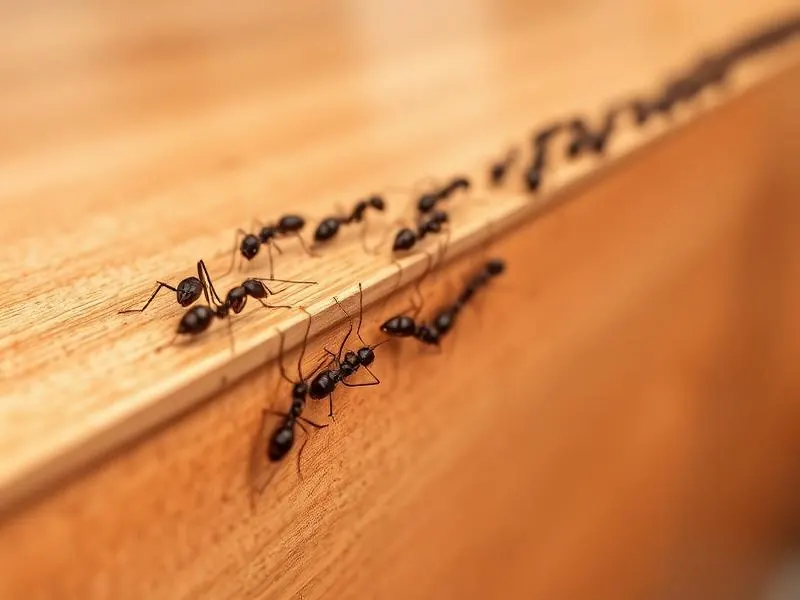
Black house ants following a scent trail back to a nest in a wall cavity.
Ant control in Melbourne is less about killing the ants you can see and more about finding the colony they belong to. A line of workers across a bench is the visible one per cent of a nest that may sit in a wall cavity, under paving, in a pot plant or beneath the slab, with a queen laying eggs the whole time you are wiping the trail away.
Tim's Pest Control treats ants at homes, rentals and businesses right across Melbourne. Every job starts with identification, because a black house ant, a sugar ant, a carpenter ant and a bull ant each need a different product in a different place, and the wrong choice is the reason most treatments fail. Ant work sits inside the full range of pest control services Tim offers, and it is one of the most common calls he takes through summer.
This page covers why retail sprays keep failing, how to tell the common Melbourne species apart, the baiting and barrier method Tim uses, what it costs, and what you can safely try yourself before you call anyone.
Why they return
Why do ant sprays stop working after a week?
Surface sprays kill the workers on the trail and leave the queen and brood untouched, so the colony simply sends out replacements within days. Worse, many retail products are repellent: the ants detect them, avoid the treated strip and open a new route, which is why the trail often reappears a metre away rather than disappearing.
A mature black house ant colony can hold tens of thousands of workers, and only a small share of them are out foraging at any moment. Killing that foraging group changes nothing structural. The colony replaces them, and if it senses pressure it can split and move, which turns one problem into two.
Repellency is the part most people never hear about. Products sold for immediate knockdown are designed to make ants leave the surface, and they do exactly that. The ants read the treated area as unsafe, break the trail, and establish a new one through a different gap. From the kitchen bench it looks like the spray worked for a fortnight and then stopped. What actually happened is that the colony rerouted and kept growing.
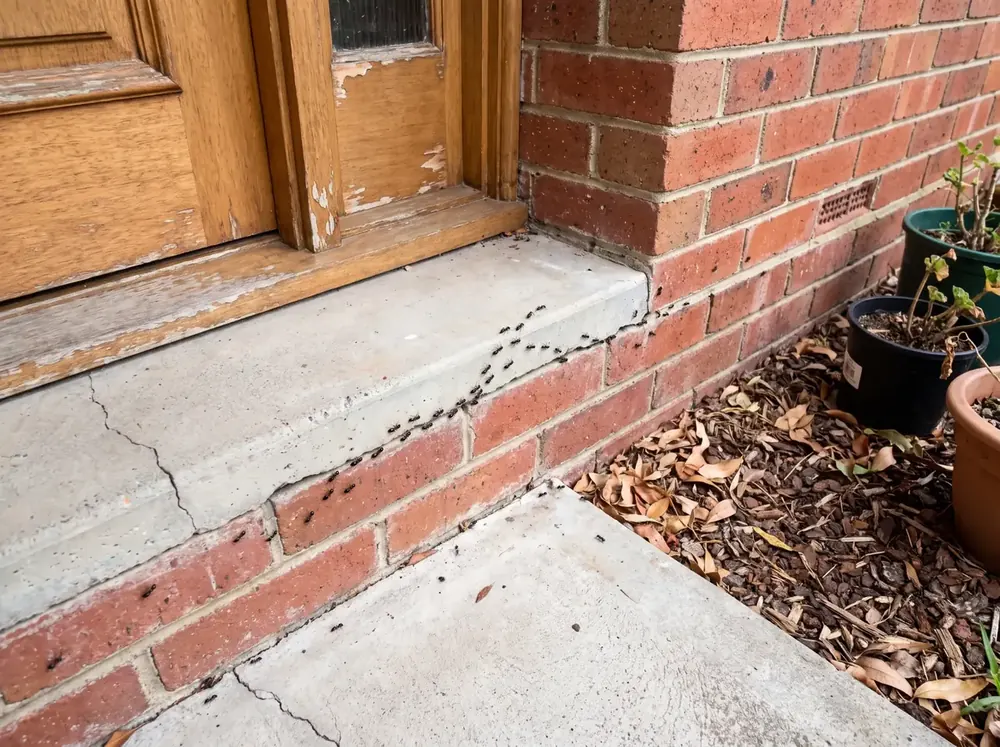
What Tim looks for instead of the trail: where the line goes when it reaches the wall, whether it thickens after dark, whether workers are carrying food back or carrying brood out, and whether there is loose soil, frass or shed wings nearby. Those four observations usually name the nest site before any product comes off the van.
Non-repellent products work the opposite way. The ants cannot detect them, so they keep using the same path, pick the product up, and pass it through the colony during feeding and grooming. Results build over several days rather than in an hour, which feels slower on day one and is the reason the problem is still gone in month three.
Identification
Which ant have you got in your kitchen?
Melbourne homes see six ants regularly: black house ants, sugar ants, coastal brown ants, Argentine ants, carpenter ants and bull ants. They differ in size, nesting habit and what they eat, and those differences decide which bait matrix is used and whether the work happens indoors, in the garden or in damp timber.
Getting this right matters more than people expect. A bait that a sugar ant takes greedily can be ignored by a protein-feeding colony, and a species that nests in a tree stump will not respond to indoor baiting at all. Tap through the five you are most likely to meet.
Black house ant
Shiny black, about 2.5mm, and the species behind most kitchen calls. It nests in wall cavities, roof voids, under paths and in garden beds, and it farms aphids on shrubs for honeydew, which is why trails often run from a plant to a window frame.
It takes sweet gels readily, so indoor gel baiting plus an external non-repellent band usually clears it. Full detail sits on the sugar ant and black house ant page.
Sugar ant
Much larger at 5mm to 15mm, often banded orange and black, and mostly active after dark. Nests sit in soil, mulch, retaining walls and decaying timber, and the foragers can travel a surprising distance, so the nest is frequently in a neighbour's yard rather than yours.
Because they feed at night, daytime sightings under-report the problem. Baiting is timed for evening activity and paired with a perimeter treatment.
Coastal brown ant
Light brown, two distinct worker sizes, and the one that pushes little piles of soil up between pavers and along path edges. It prefers protein and fat over sugar, so sweet gels sit untouched while the colony keeps growing underneath the paving.
Treatment switches to a protein or oil-based bait placed at the nest openings, which is a good example of why species identification comes before product choice.

Carpenter ant
Large, usually black, and the only local ant that excavates timber. It does not eat wood; it hollows out galleries in timber that is already damp, so finding carpenter ants is also a signal to look for a leak, a blocked gutter or poor subfloor ventilation.
The damage is slower and less severe than termite damage, but the moisture problem behind it rarely fixes itself. See carpenter ant control for how those jobs run.

Bull ant and jack jumper
Big, fast, and the only ants here that are a genuine medical concern. Jack jumper stings cause severe allergic reactions in a small number of people, and the Better Health Channel notes that stings from these ants can trigger anaphylaxis in sensitive individuals.
Nests are in the ground, often with a gravelly mound, and they are treated directly rather than baited. If someone in the house has reacted badly before, say so when you book. More on bull ant and jumping jack control.
Argentine ants deserve a mention even though they do not get their own page. They form enormous linked colonies with many queens and no fighting between nests, so a treatment that knocks back one nest is quickly refilled from next door. Where Tim finds them, the plan widens to the whole property boundary and usually needs a follow-up visit.
The treatment
How does Tim actually treat an ant problem?
Four stages: identify the species, place the matching bait where the workers travel, lay a non-repellent barrier at the entry points, then check the result and adjust. Indoor work is gel and dust in cracks and voids rather than open spraying, and the outdoor band does the heavy lifting on colonies nesting in soil or paving.
- IdentifySpecies, nest direction and food preference, read from the trail, the nest spoil and the time of day the ants are active.
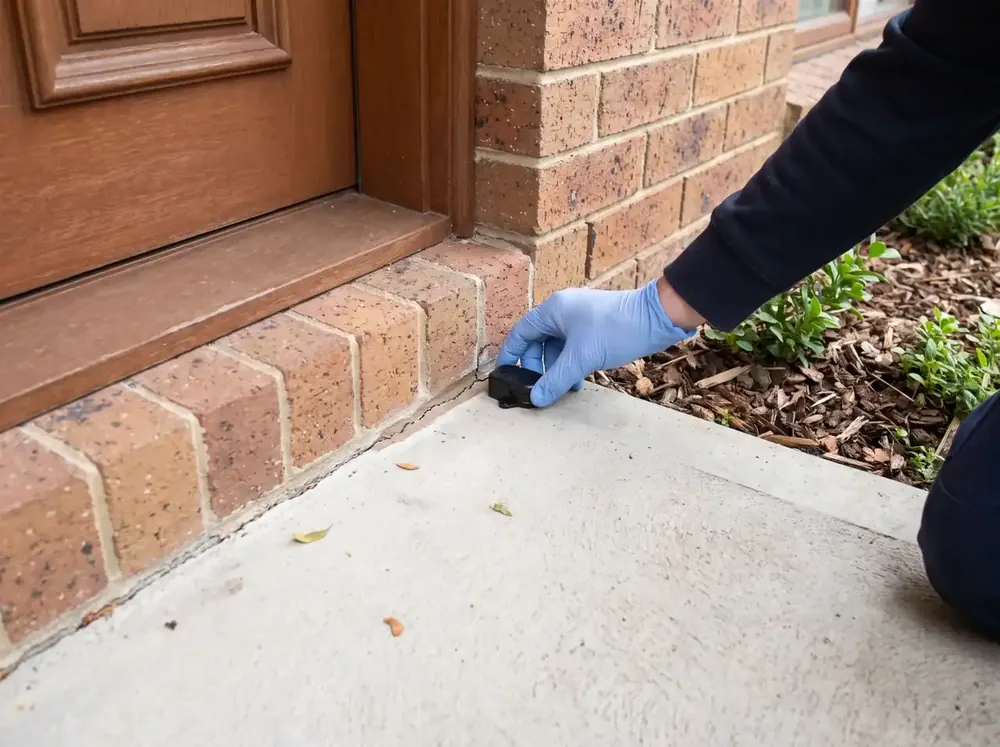
- BaitA matching sweet, protein or oil-based bait at the trail and nest entrances, in cracks and voids where children and pets cannot reach it.
- BarrierA non-repellent band at the entry points: weep holes, door thresholds, pipe penetrations, window frames and the first course of brick.
- ReviewActivity is expected to rise briefly, then fall away. If it has not, Tim returns under the 3-month re-treatment guarantee.
| Where | What goes there | Why it works |
|---|---|---|
| Kitchen and pantry | Gel bait in hinge gaps, behind kickboards and inside cupboard corners | Hits the trail without putting product on food surfaces |
| Wall voids and roof space | Insecticidal dust through existing gaps | Reaches nests you cannot open up without damage |
| External perimeter | Non-repellent band at the base of the wall and around entry points | Foragers carry it in before they reach the house |
| Garden beds and paving | Granular or liquid bait at nest openings | Treats the colony in the soil rather than the visible trail |
| Damp timber | Targeted treatment plus a moisture note for you to act on | Carpenter ants return if the water source stays |
One detail catches people out: for the first two or three days after baiting, you may see more ants, not fewer. That is the colony recruiting to a new food source and carrying it home, and it is the clearest sign the bait has been accepted. Wiping the area with disinfectant at that point removes the bait and the trail pheromone together and sets the job back, so Tim will ask you to leave those spots alone for a few days.
The same thinking drives the guidance in Tim's guide to tracking a returning trail back to its colony, which is worth reading if this has happened to you more than once.
Food areas
Are ant treatments safe around kitchens, kids and pets?
Yes, when the product suits the room and the placement keeps it away from food, hands and paws. In kitchens Tim uses gel baits in enclosed spots and dusts inside voids rather than spraying open surfaces, so there is no residue where you prepare food and nothing a toddler or a curious dog can reach.
Anything Tim applies carries an APVMA registration number, and the national regulator's label conditions decide the rate, the rooms it may enter and how long before you go back in. That label is the legal instruction, not a guideline, and it is why a technician will sometimes refuse a request to treat a particular spot.
- Before the visit, clear the bench, put food and utensils away and lift pet bowls off the floor.
- Tell Tim about babies, pregnancy, asthma, fish tanks, birds and reptiles so placement and product can change.
- After the visit, leave the treated cracks and edges unwashed; mopping them removes the treatment.
- Food businesses get a written note of what was placed where, which your auditor will ask for.
Households who want the lowest-toxicity option available should say so when booking. Baiting is already a targeted, low-volume approach, and it can be combined with the measures set out on the pet-safe and eco-friendly pest control page.

Scope
Someone told me I have white ants. Is that an ant problem?
No. White ants are termites, they are a different insect with a different treatment, and Tim refers that work to a timber pest specialist. Ant treatments do nothing to a termite colony, and the two are easy to tell apart once you know the three features to look for.
Waist
Ants have a pinched, obvious waist between thorax and abdomen. Termites are straight-sided, more like a grain of rice with legs.
Antennae
Ant antennae are elbowed, with a clear bend. Termite antennae are straight and look like tiny strings of beads.
Wings
A flying ant has a long front pair and a short back pair. A termite's four wings are all the same length and shed in piles.
If what you are seeing has a straight body, straight antennae and equal wings, stop treating and get a timber pest inspection. Termite damage is cumulative and is usually excluded from home insurance, so the cost of waiting is real. Tim will tell you on the phone which one it looks like and point you to someone who does that work properly, the same way he handles possums, bees and bats.
The confusion also runs the other way. Carpenter ants tunnel in damp timber and leave coarse sawdust, which people often report as termites. The guide comparing carpenter ants and termites walks through the differences with the signs you can check yourself.
Before you call
What can you try yourself before booking ant control?
Cut the food supply, close the easy entry points and leave one trail intact so a technician can follow it. Honest DIY works on a small, new trail from a garden nest, and it rarely works on an established indoor colony, a carpenter ant problem in damp timber or an Argentine ant network along a fence line.
Does cinnamon, vinegar or chalk get rid of ants?
They interrupt the scent trail for a while, which is why the ants seem to vanish, then come back on a slightly different path. None of them reach the nest or affect the queen. Use them to buy a night's peace, not as a treatment, and expect the trail to return.
Are supermarket ant baits worth trying?
Sometimes, on a small sugar-feeding trail, if you place them on the trail rather than near it and leave them alone for a week. They fail when the species prefers protein, when the bait dries out, or when someone sprays the same area, because the spray kills the workers that were carrying the bait home.
Should I clean the trail away before the technician arrives?
Clean the benches, but leave one active trail and do not spray anything for 48 hours beforehand. A live trail is the fastest route to the nest, and a sprayed, repelled colony that has scattered makes the first visit far less effective.
What actually helps between visits?
Store sugar, honey, cereal and pet food in sealed containers, wipe spills promptly, keep the kitchen bin closed, fix dripping taps, trim shrubs back off the walls and move mulch, pot plants and firewood away from the house. Ants are following water and food, and these steps remove both.
For a longer walk through the home remedies worth your time, Tim's guide on how to get rid of ants rates each method honestly, including the ones that only move the problem. There is also a specific guide for ants in the kitchen and another for ants in the garden and lawn, where the nest is usually easier to find.
Pricing
What does ant control cost in Melbourne?
Species, property size, how far the colony has spread and whether a second visit is needed are what move an ant quote. Tim works through those points with you first, sets one treatment price, and waits for your approval before starting.
A black house ant trail traced to one garden nest, treated and reviewed.
Several trails on different walls, or a species that needs a bait change after the first week.
Argentine ants or a boundary shared with an untreated property, where the whole perimeter is treated.
A few things reliably push a quote up: a large block with long fence lines, a second storey with roof void access, heavy mulch and dense planting against the walls, and a colony that has been sprayed repeatedly before the call, because scattered nests take longer to find. Honest pricing means naming those at the quote stage rather than at the invoice.
What does not change is the figure you approved. Tim's upfront price promise means the treatment price is agreed before the work starts and nothing is added afterwards. Typical ranges for all nine pests are set out on the pest control cost guide for Melbourne, which is the right page to read if you are comparing quotes rather than booking today.
Be careful comparing a cheap quote to a complete one. A very low price often covers a perimeter spray only, with no baiting, no internal work and no return visit. That treatment can look identical on the day and leave the nest producing workers a fortnight later.
Next step
How do you book ant control in Melbourne?
Send a photo of the ants and the trail with your suburb, or call and describe what you are seeing. Tim names the likely species, talks through the treatment, sets the price for you to approve and offers a time, which is usually inside the same week depending on your suburb and the diary.
Worth mentioning when you make contact: whether the ants are indoors or outdoors, what time of day they are busiest, whether they are after sweet or greasy food, how long it has been going on, and whether anyone in the home has reacted badly to a sting before. Those five answers usually settle the species and the plan before Tim arrives.
Book an ant treatment
Tell Tim what you are seeing and get a recommendation with the price settled first.
Book a pest control treatmentCheck your suburb
Tim works across Melbourne, generally within about 40 km of the CBD, from Werribee to Cranbourne.
See the areas Tim servesAnts are also the pest most likely to arrive alongside something else, because the same gaps, moisture and food let in cockroaches and rodents. If you have seen more than one, say so and Tim will plan a single visit around it rather than booking you twice.
Questions
Ant control questions Tim gets asked
Why do ants come back after spraying?
Because the spray reached the foragers and not the nest. The queen keeps laying, the colony replaces the workers within days, and repellent products can push the ants into opening a second trail nearby. Baiting works differently: the ants carry it back and the colony declines from the inside.
Are ant treatments safe in kitchens?
Yes, when the placement is right. Gel baits go inside hinges, cupboard corners and wall voids rather than onto benches or food surfaces, and every product is used to its registered label. Clear benches before the visit, and let Tim know about children, pets or anyone with sensitivities.
What are white ants?
White ants are termites, not ants. They have straight bodies, straight bead-like antennae and four equal wings, and they need a licensed timber pest specialist rather than an ant treatment. Tim refers that work and will tell you on the phone which insect your photo looks like.
How long does an ant treatment take to work?
Expect a brief increase in activity for two or three days while the ants carry bait home, then a steady drop over the following week. Established or multi-nest colonies can take two to three weeks to settle fully, which is why the result is reviewed rather than assumed.
Do I need to leave the house during ant control?
Usually not. Most ant work is baiting and targeted void treatment, so you can normally stay home. If a broader internal treatment is needed, Tim gives you a re-entry time for the product being used and explains it before the visit rather than on the day.
Can you treat ants in a rental or a business?
Yes. Rentals are common jobs, including treatments booked at the end of a tenancy, and cafes, offices and food premises are handled with documentation and timing that suits trading. Ask for the written record of what was placed where if an auditor or agent needs it.
Want the nest dealt with, not just the trail?
Send Tim a photo of the ants and where you are seeing them, and you get the species, the plan and the price up front, with nothing booked until you say so.
Sources: APVMA pesticide registration and the Better Health Channel on allergies to bites and stings.