Licensed Melbourne pest controller · Vic licence 86488
Pest Control in Melbourne
One licensed technician, nine pests, and a price you approve before anything is sprayed.
Tim's Pest Control handles pest control in Melbourne for homes, rentals and businesses, treating ants, cockroaches, spiders, rodents, bed bugs, wasps, fleas, mosquitoes and moths. Tim inspects first, explains what he finds in plain English, quotes upfront and backs covered treatments with a 3-month re-treatment guarantee.

- 10+ years treating Melbourne pests
- Licence No. 86488 (Victoria)
- Fully insured for homes and businesses
- 3-month re-treatment guarantee
Who this page is for
You might be a homeowner who just watched a cockroach disappear under the fridge, a renter with fleas a week before the bond inspection, or a café owner who needs rats gone before the next council visit. This page sets out what Tim treats, how each job is done, where he works and how pricing is worked out.
How Tim works
Tim's Pest Control is a local business, not a franchise, and there are no subcontractors. Tim takes the call, inspects the property, names the species, treats the places where it lives and breeds, then tells you what to change so it is less likely to return. His full range of pest control services is grouped by pest and by property type.
What to do next
Pick your pest in the quote box, or use the sign finder below if you are unsure what it is. If the job sits outside his nine pests, such as termites or possums, Tim says so on the first call and points you to the right specialist. When you are ready, you can book a pest control treatment online.
Method
What does pest control in Melbourne involve?
Pest control in Melbourne means finding which pest you have, where it lives and why it picked your property, then treating those exact spots with a registered product and fixing the conditions behind it. A quick spray along the skirting boards rarely holds on its own.
- Integrated pest management (IPM)
- A way of working that combines inspection, correct identification, targeted treatment and prevention, using the least product needed to get control. Tim follows it on every job, from a single wasp nest to a commercial kitchen.
Weather sets the calendar for pest control in Melbourne, Australia more than most people expect. Hot, dry spells push ants and cockroaches indoors looking for water, spring brings European wasp queens out to build, and the cold months send mice and rats into roof spaces and wall cavities. A good technician reads those patterns and times the work to suit, rather than running the same routine in January and July.
Every product Tim applies is registered with the Australian Pesticides and Veterinary Medicines Authority and used according to its label, which sets the rate, where it can go and the re-entry period. If you searched for an exterminator in Melbourne, you are in the right place: exterminator is simply the American word for a licensed pest controller.
- InspectUnder sinks, roof voids, fence lines and meter boxes, looking for droppings, trails, nests and gaps.
- IdentifyA German cockroach and an Australian cockroach need different products in different places.
- TreatGels, baits, dusts or residual sprays go only where the pest travels, hides and breeds.
- PreventA short list of fixes, like sealing a gap or moving a woodpile, to stop the next wave.

Pests we treat
Which pests does Tim's Pest Control treat?
Tim treats nine pests: ants, cockroaches, spiders, rats and mice, bed bugs, wasps, fleas, mosquitoes and moths, at homes and businesses. Each has its own page covering the species found around Melbourne, the treatment used and what you can safely do yourself.
Not sure what you have? Tap the sign you have noticed.
Choose the sign that matches what you have seen and this panel will name the most likely pest and what it usually means.
A guide only. Tim confirms the species when he inspects.
 Formicidae
Ants
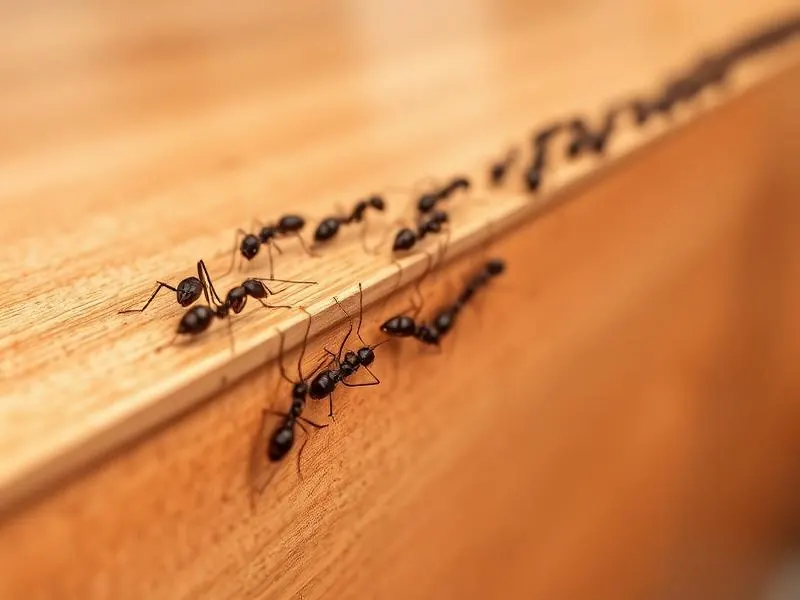
Black house, sugar, bull and carpenter ants, traced to the nest instead of sprayed where they march.
Ant control Melbourne Blattodea
Cockroaches
German cockroaches in kitchens, and larger Australian and American species in drains and subfloors.
Cockroach control Melbourne Araneae
Spiders
Redbacks, white-tails, black house spiders and huntsmen, with webs cleared and hiding spots treated.
Spider control Melbourne Muridae
Rats and mice
House mice, roof rats and Norway rats, managed with locked bait stations and sealed entry points.
Rodent control Melbourne Cimicidae
Bed bugs
Mattress, bed frame and furniture inspection, then a staged treatment with a follow-up visit.
Bed bug treatment Melbourne Vespidae
Wasps
European, paper and mud wasp nests treated by a licensed operator wearing protective gear.
Wasp nest removal Melbourne Siphonaptera
Fleas
Carpets, pet bedding, floorboard gaps and yards treated to break the egg to adult cycle.
Flea control Melbourne Culicidae
Mosquitoes
Breeding water found and fixed, and shady resting areas treated before summer entertaining.
Mosquito control Melbourne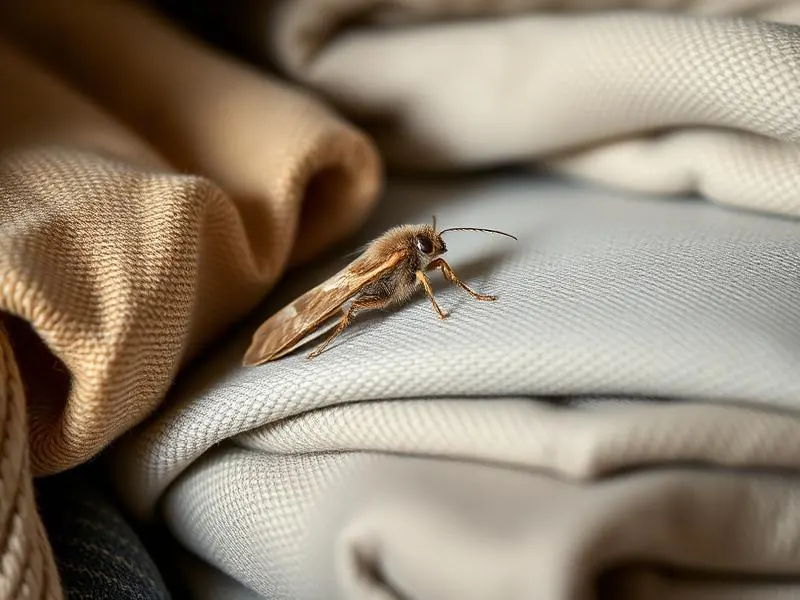 Lepidoptera
Moths
Pantry, clothes and carpet moths, with the larvae dealt with at the source rather than chasing adults.
Moth control Melbourne
Crawling pests
How are ants, cockroaches and spiders treated?
Ants are followed back to the nest and treated with baits or non-repellent products the workers carry home. Cockroaches get gel baits and growth regulators where they breed. Spiders are handled by clearing webs and treating the ledges and gaps they shelter in.
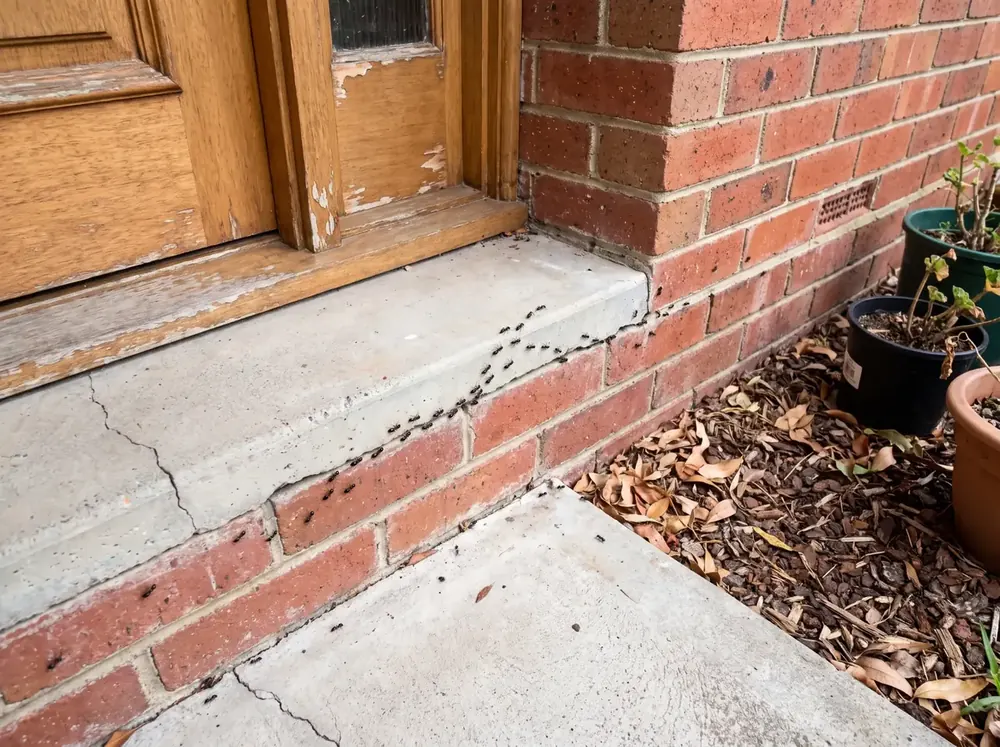
Find the nest, not the trail
Spraying a trail kills the workers in view while the queen keeps laying. Non-repellent products stick to the ants and travel through the colony, so results build over several days rather than an hour.
Carpenter ants need a different plan: they hollow out damp timber, so Tim looks for the moisture problem too. Read more on carpenter ant control or see how ant treatment works on Melbourne homes.

Go where they breed
German cockroaches are the small, light brown species with two dark stripes behind the head, and they live almost entirely indoors near warmth and food. Surface sprays tend to push them into new cupboards.
Gel baits in hinges and behind appliances, paired with a growth regulator, stop the next generation maturing. Larger species usually arrive from drains and subfloors, so that work moves outside. Compare German cockroach treatment with treating cockroaches around the whole house.

Take away the shelter
Most spiders around Melbourne homes are harmless, but redbacks under outdoor furniture and white-tails indoors are worth dealing with. Tim removes webs and egg sacs, then treats eaves, window frames, fences and sheds.
Fewer insects means fewer spiders, so swapping bright white outdoor globes for warmer ones often helps the result last. More on spider treatments for Melbourne houses.
Rodents and stingers
What works on rodents, bed bugs and wasps?
Rodents need secured bait stations or traps plus sealed entry points, bed bugs need a careful inspection and a staged treatment with a follow-up, and wasp nests need a licensed operator in protective gear. None of the three responds well to a quick fix from the supermarket.

Rats and mice
- Signs: droppings, gnawing, grease marks
- Peak: autumn and winter
- Method: stations, traps, proofing
A house mouse can squeeze through a gap about the width of a pencil, so finding the way in matters as much as the bait. Tim checks weep holes, pipe penetrations, garage doors and roof lines, sets tamper-resistant stations where children and pets cannot reach them, and marks the gaps that need sealing.
Mice and rats behave differently, which is why there is separate advice on mice control and rat control, plus a full rundown of how rodents are treated in Melbourne.

Bed bugs
- Signs: bites, blood spots, shed skins
- Hides: seams, joints, skirting
- Method: staged, with follow-up
Adult bed bugs are flat, reddish brown and roughly the size of an apple seed, and they tuck into mattress seams, bed frame joints, skirting boards and power point covers. A single spray is rarely the end of it, because eggs often survive the first round.
Tim inspects every sleeping area, treats in stages and books a return visit to catch the hatchlings. Travellers, share houses and short-stay rentals see the most cases. The steps are laid out on the bed bug treatment page.

Wasps
- Signs: nest, steady flight path
- Peak: late spring to autumn
- Method: direct nest treatment
The European wasp is the one to take seriously. The Better Health Channel notes it can sting repeatedly and recommends a licensed pest control operator to destroy nests, which are often hidden in wall cavities or the ground with only a small hole showing.
Paper wasps build smaller, open, umbrella-shaped nests under eaves, and mud wasps build clay cells and are rarely aggressive. Tim treats the nest directly and comes back if activity continues. See how wasp nests are removed safely, including European wasp nest removal.
Fleas, mosquitoes, moths
How are fleas, mosquitoes and moths handled?
Fleas are treated in carpets, bedding and yards while your vet treats the pet, mosquitoes are cut off at their breeding water and resting spots, and moths are stopped by removing larvae from food, wool or carpet. Each one needs its own plan.
| Pest | Signs you will notice | What Tim does | What you do |
|---|---|---|---|
| Fleas | Bites on ankles, pets scratching, tiny dark specks in bedding | Treats carpets, rugs, floorboard gaps, pet sleeping areas and shaded parts of the yard | Vacuum daily for two weeks and treat each pet through your vet |
| Mosquitoes | Whining at dusk, evening bites, wrigglers in still water | Finds breeding sites and treats dense foliage and damp resting areas | Tip out saucers, clear gutters and refresh pet water often |
| Pantry moths | Webbing in flour, rice or cereal and small moths near the pantry | Traces the source, advises on disposal and treats shelf cracks | Store dry goods in sealed containers from now on |
| Clothes and carpet moths | Uneven holes in wool, silk or carpet, and small casings in wardrobes | Treats wardrobes, carpet edges and the dark spaces under furniture | Wash or freeze affected items and vacuum along edges |
Fleas catch people out after moving into a rental or after a pet has been away. Flea pupae can lie dormant in carpet and hatch when they sense movement, which is why an empty house can come alive on the first day back. For more detail, see flea treatment options for homes and yards.
Mosquito numbers in Melbourne climb after warm, wet weather, and the Victorian health department tracks mosquito-borne disease every season, so health questions belong with your GP. Tim's focus is fewer mosquitoes around your home: read about mosquito control around the yard and moth treatments for pantries and wardrobes.
Outside the nine
Why doesn't Tim treat termites, possums or bees?
Tim does not treat termites, possums, bees or bats, and he tells you on the first call. Termites need a specialist timber pest operator, possums are protected wildlife, bee swarms are best collected by a beekeeper and bats need trained wildlife carers. You get a referral, not a guess.
Termites
Termite work means specialised detection gear, chemical barriers and ongoing monitoring. It is a separate trade, and a problem that serious deserves someone who does it every day.
Referred to: a timber pest specialist
Possums
Possums are protected in Victoria. The state wildlife rules on possums tightly limit trapping and release, so this is not a job for poison.
Referred to: a licensed possum handler
Bees
Honey bees are valuable pollinators, and a swarm on a fence or inside a wall can usually be collected alive. Tim can help you tell a bee swarm from a wasp nest over the phone.
Referred to: a local beekeeper
Bats
Microbats and flying foxes are protected and can carry disease, so never handle one with bare hands. Keep children and pets away until help arrives.
Referred to: a wildlife rescue group
Why turn work away? Because taking a job you are not set up for helps nobody, and an honest referral saves you paying twice. That same honesty runs through the rest of the business, from the quote to the aftercare advice.
Timing
Can Tim come out today?
That depends on the diary and your suburb, so the fastest way to find out is to call 0434 961 555. Describe what is happening and Tim will tell you straight away how soon he can get there. Flag anything with a safety risk, such as an active wasp nest beside a doorway.
Call now
It cannot wait
Wasps nesting by a door or play area, a rat in the living space, bed bugs found before guests arrive, or a food business facing an inspection.
This week
It is getting worse
A steady ant trail, cockroaches seen at night, mouse droppings in the pantry, or webs building up faster than you can brush them away.
Plan ahead
You want to stay ahead
A yearly treatment, a pre-summer spider and ant job, an end-of-lease flea treatment or a regular commercial schedule.
While you wait: keep children and pets away from any wasp nest and do not spray it, move food into sealed containers if rodents or cockroaches are active, and bag bedding straight into a hot wash if you suspect bed bugs. There is more on urgent pest callouts in Melbourne.
Families and pets
Are treatments safe for kids and pets?
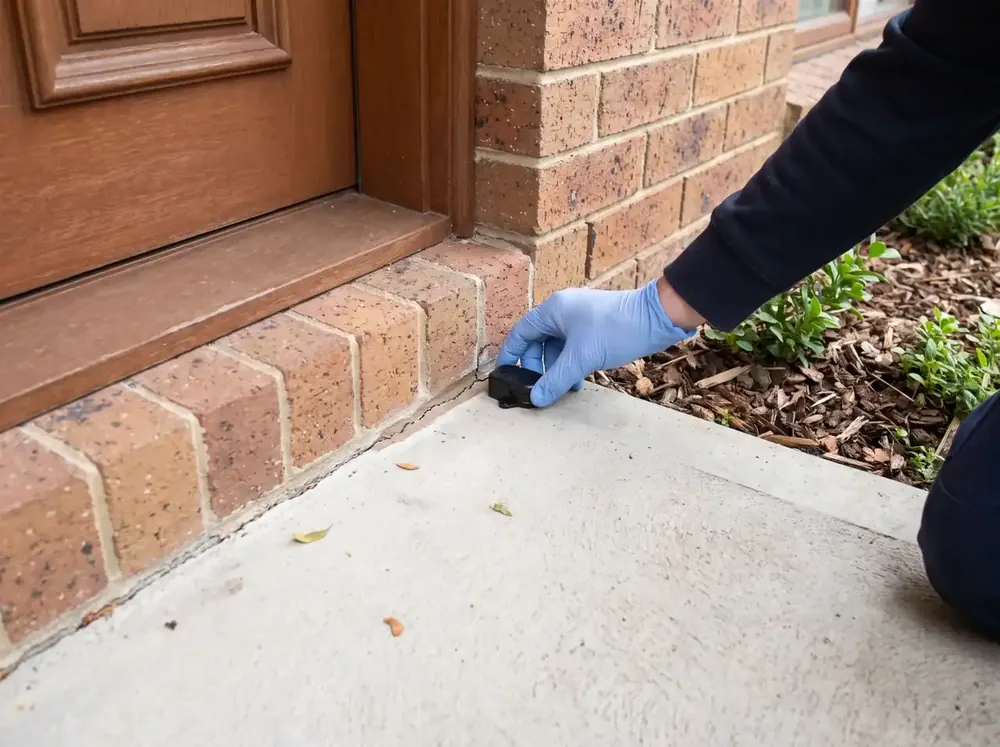
Treatments can be carried out safely in homes with children and pets when the right product is chosen and the preparation and re-entry instructions are followed. Tell Tim who lives in the home before the day and he will give you instructions for the exact treatment being used.
- BeforeMention babies, pregnancy, asthma, allergies, fish tanks, birds and reptiles. Clear floors, pack toys away and lift pet bowls.
- DuringKeep kids and animals out of treated rooms. Baits sit in locked stations and gels go into cracks, not onto open surfaces.
- AfterStay out for the re-entry period Tim gives you, and hold off mopping treated edges so the product keeps working.
No honest technician will tell you a pesticide is completely harmless. What Tim will promise is a product suited to your household, applied to its registered label, and clear instructions you can follow. The Better Health Channel guide to hiring pest control is worth reading before any booking.
Some households want the lowest-toxicity approach possible, whether because of a new baby, a cat that sleeps in odd places or a family member with sensitivities. Those options are explained on the page about pet-safe pest control.
Homes and businesses
Does Tim handle commercial pest control?
Yes. Tim looks after cafés, restaurants, offices, accommodation and strata buildings across Melbourne, treating the same nine pests on a schedule that suits the business. You get a clear explanation of what was found and what was done after every visit.

Pest problems cost trade
Australia's food safety standards require food businesses to take practical steps to keep pests out, and a cockroach seen during lunch service does damage that no discount fixes. Tim works around trading hours where the diary allows, focuses on kitchens, storage and bin areas, and explains what to change in daily routines.
Offices and accommodation need a lighter touch: discreet visits, quick turnaround between guests and treatments that do not leave odours. Everything is set out on the page for commercial pest control in Melbourne.

Most home jobs are one visit
A typical house call is a single targeted treatment for one pest. Families who battle ants every summer and spiders every autumn often prefer a yearly visit so problems are caught early, while landlords and first home buyers each need something slightly different.
Those choices are compared on the page about residential pest control and annual plans.
- Kitchens and pantries
- Roof voids and subfloors
- Garages, sheds and yards
- Bedrooms and living areas
Programs
Do you offer inspections, end-of-lease treatments and fumigation?
Inspections and end-of-lease treatments, yes. Fumigation gets an honest explanation first, because most homes do not need it. Tim checks for active pests before a purchase or a move, handles end-of-lease flea and general treatments, and tells you plainly when a targeted treatment will do the job.
Pest inspections
An inspection records live activity, droppings, nests and entry points so you know what you are walking into. Building and timber pest reports for a purchase are a separate licensed service, so ask exactly what the report covers before booking. Read about building and pest inspections in Melbourne.
End of lease
Tenants with pets are often asked to treat for fleas before handing back the keys. Check what your lease says and the Consumer Affairs Victoria renting guidance, then book the treatment for after the final clean. Details are on the end of lease pest control page.
Fumigation, explained
Many people say fumigation when they mean a whole-house spray. True fumigation seals a structure and fills it with gas, and it is rarely needed for a home. Tim explains the difference and recommends the targeted option whenever it will work. See what pest fumigation involves.
These services sit under Tim's pest control programs, alongside yearly home plans and scheduled commercial visits.
Schematic, not to scale. Ring shows roughly 40 km from the CBD.
- WestTarneit, Werribee, Hoppers Crossing and Point Cook: newer estates, ants, spiders and cockroaches
- NorthCraigieburn and Roxburgh Park: fast-growing streets with mice moving in from open land
- Inner and eastEast Melbourne, Port Melbourne and Box Hill: older and denser housing, rodents and roaches
- South-eastDandenong, Cranbourne and Officer: family homes, food precincts, wasps and bed bugs
Service area
Which Melbourne suburbs does Tim cover?
Tim works at homes and businesses throughout greater Melbourne, usually inside a 40 km radius of the CBD. That takes in the western growth corridor, the northern estates, the east and the south-east. Send your suburb with your enquiry and he will confirm straight away.
Each area brings its own pests. New estates in Tarneit, Point Cook and Craigieburn often see ants and spiders move in as surrounding land is cleared, while older, tightly packed housing in East Melbourne and Port Melbourne leans toward rodents and German cockroaches travelling through shared walls. Tim also works in Springvale, Clayton, Sunshine, Brunswick, Preston, Reservoir, Broadmeadows and North and West Melbourne. The complete list is on the areas we serve page.
Pricing
How much does pest control cost in Melbourne?
The price depends on the pest, the size of the property, how established the problem is and whether a follow-up visit is needed. Tim inspects or asks the right questions first, then gives you a set treatment price to approve before any work begins.
| Factor | Why it changes the price |
|---|---|
| The pest | A wasp nest is usually one visit. Bed bugs and German cockroaches normally need a follow-up. |
| Property size | More rooms, a roof void or a large yard means more ground to inspect and treat. |
| How long it has run | An early infestation takes less product and time than one that has spread through the walls. |
| Home or business | Commercial sites often need scheduled visits and work fitted around trading hours. |
| Access | Tight subfloors, high eaves and packed storage areas take longer to treat properly. |
Searching for cheap pest control in Melbourne makes sense, but the lowest quote often buys a quick perimeter spray that misses the nest or the breeding site, and a second bill follows. With Tim's upfront price promise, the figure you approve is the figure you pay for that treatment.
Credentials
Is Tim licensed, insured and warranty-backed?
Yes. Tim holds Victorian pest control licence number 86488, is fully insured and has more than 10 years in pest control. Covered treatments come with a 3-month re-treatment guarantee, so if that pest shows up again in the treated area within the window, the repeat visit costs nothing.
Pest control licence · Victoria
86488
- Holder
- Tim, Tim's Pest Control
- Issued by
- Department of Health, Victoria
- Insurance
- Fully insured
- Experience
- 10+ years

- Upfront price promiseYou see and approve the treatment price before work starts, and it does not grow once Tim is on site.
- 3-month re-treatment guaranteeA return of the covered pest to the treated area inside three months gets a free follow-up treatment.
- Care for your propertyFurniture is protected, mess is cleaned up, and preparation and re-entry steps are explained clearly.
- Only the treatment you needTim recommends what the problem calls for and nothing extra to lift the invoice.
The guarantee covers the same pest in the treated area. Ask Tim which terms apply to your treatment.
In Victoria, anyone using pesticides commercially to control pests needs a licence under the Public Health and Wellbeing Act 2008, which calls for recognised qualifications and comes with conditions on how chemicals are used and stored. The Victorian pest control licensing rules explain what that means, and the public register lets you check any operator before you book.
People looking for the best pest control in Melbourne usually want three things: someone qualified, someone who answers the phone, and someone who stands behind the work. Unlike larger pest controllers in Melbourne that roster whoever is free, you deal with Tim from the first call to the follow-up. Read more about Tim and how he works.
Next step
How do I book a pest treatment?
Use the quote box at the top of this page, send an enquiry through the booking page, or call Tim on 0434 961 555. Describe what you have been seeing and where you are, and you will get a clear recommendation and a price before anything is locked in.
Tell Tim what you have noticed
Sightings, sounds, droppings, bites or damage, plus your suburb and who lives in the home. Photos help if you have them.
Get a price and a time
Tim explains the likely cause, the treatment he recommends and the cost, then offers a time that suits you.
Treatment and aftercare
The agreed work is done, and you get re-entry steps, prevention tips and the guarantee terms that apply.
Ready to stop wondering what is in the walls?
Describe what has been going on and Tim will tell you exactly what he would do about it.
Prefer to try a fix yourself first?
Browse all pest control guides
Questions
What do people ask before booking pest control?
These are the questions Tim hears most often on the phone, answered briefly. If yours is not here, call or send an enquiry and he will talk it through before anything is booked.