
Milestones: 1 to 2 Years
Toddler milestones 1 to 2 years include some of the biggest leaps of early childhood: first wobbly steps turning into running and climbing, a handful of words growing into dozens, and a baby becoming a determined little person with strong opinions. The normal range is wide, so progress over months matters more than any single date.
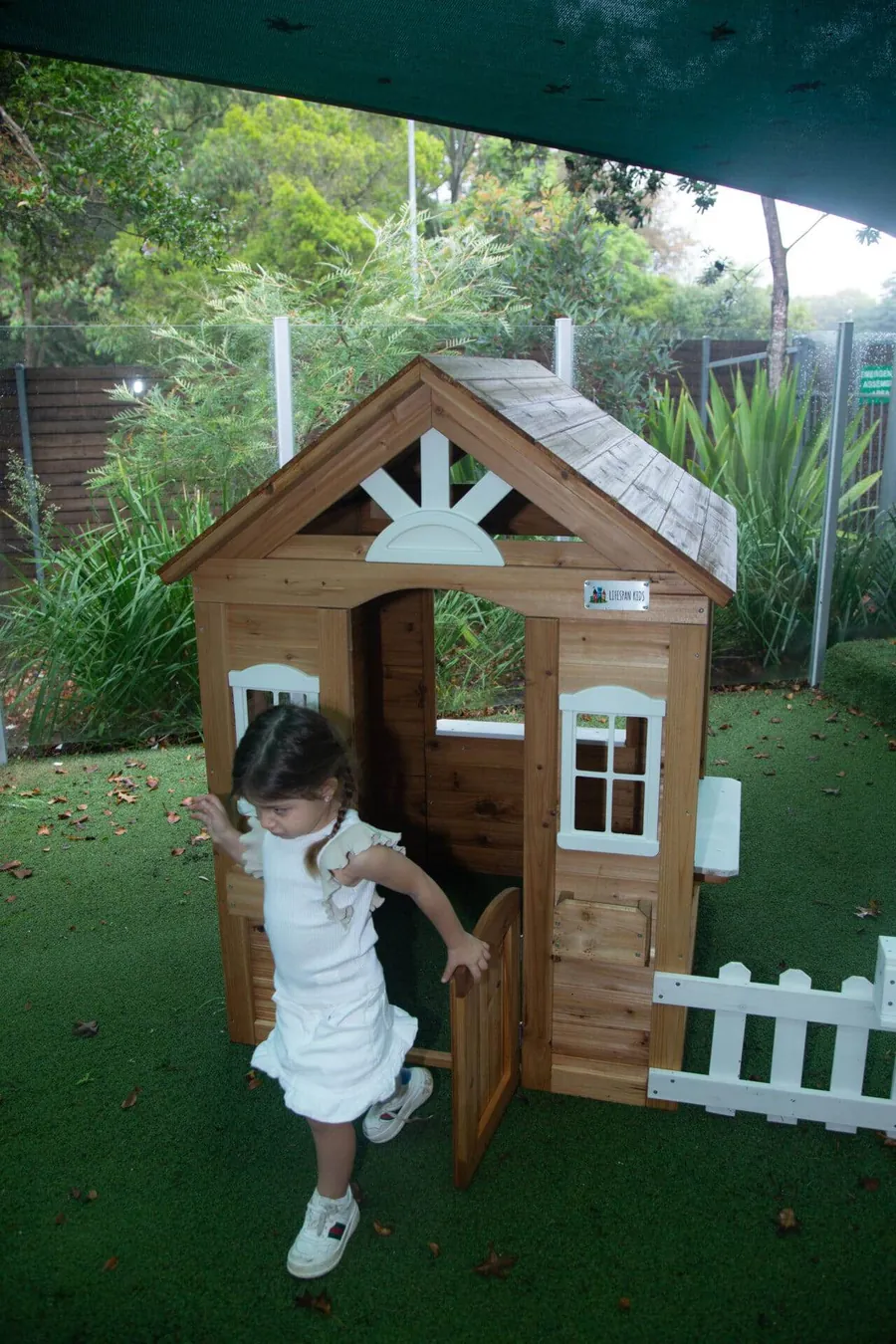
The second year is when many parents feel their child's personality arrive in full. Toddlers want to do everything themselves, explore every cupboard and say "no" with conviction. It is tiring, and it is exactly what healthy development looks like.
This guide walks through walking, language, communication, play, eating and the variation you can expect between children, with a summary table and clear signs that it is time for a check-in. It sits within our child development guides from birth to five.
What many toddlers do around 12, 18 and 24 months
| Around | Moving | Words | Communicating | Play |
|---|---|---|---|---|
| 12 months | Cruises, may take first steps | A first word or two | Waves, points, shakes head | Explores by banging and dropping |
| 18 months | Walks well, starts to climb | A growing handful of words | Points to show you things | Copies everyday actions |
| 24 months | Runs, kicks a ball, climbs stairs holding on | Often around 50 words | Joins two words together | Early pretend play |
First steps to confident walking
Most children take their first independent steps somewhere between about nine and eighteen months, and walk steadily a few months later. By two, many can run, climb onto furniture, kick a ball and walk up stairs holding a hand or rail. Early walkers and late walkers usually end up equally skilled.
Wide-legged, arms-up walking is normal at first. Balance improves with practice.
Bare feet help on safe surfaces indoors. Soft, flexible shoes are best outside.
Climbing arrives fast. Check furniture is anchored and use stair gates where needed.
Push toys, low climbing frames and walks outside give toddlers the practice they crave.
Movement to watch
- First steps
- Walking without holding on
- Squatting to pick things up
- Climbing and early running
 Standing tall
The word explosion
The word explosion is the burst of new vocabulary many toddlers show in the second half of their second year. After months of slowly adding single words, some children seem to learn new ones every day, and many are using around fifty words and beginning to join two together by age two.
Understanding still runs ahead of speaking. Toddlers follow simple instructions like "get your shoes" well before they can say the words.
Early words often stand for whole sentences. "Up!" might mean "please pick me up now".
Expand what your toddler says. If they say "car", you might add "a red car, going fast".
The range is wide. Some toddlers talk early; others understand plenty but say little until closer to two.
See our guide to speech and language for more ideas.
Pointing, waving and joint attention
Joint attention is when a child and an adult focus on the same thing together, such as a toddler pointing at a dog and looking back to check you have seen it too. Pointing, waving, showing you objects and following your gaze usually appear between about twelve and eighteen months, and they are important foundations for language.
Respond to pointing. Naming what your child is pointing at turns a gesture into a conversation.
Toddlers also start to point to request something, and later to share interest in it.
Showing and giving objects is social communication too, even without words.
If your toddler rarely points, looks at you, or responds to their name by eighteen months, raise it with your doctor or a child health nurse.
Play at this age
Play in the second year is busy and hands-on. Toddlers explore by filling and emptying containers, stacking and knocking down, pushing and pulling, and copying what adults do. Toward the second birthday, many begin simple pretend play, such as feeding a doll or talking on a toy phone, and play alongside other children.
Playing beside rather than with other children is typical. Sharing comes later.
Simple, open-ended toys work best: blocks, balls, stacking cups, crayons and books.
Everyday objects are favourites. Pots, wooden spoons and boxes can entertain for ages.
At care, toddlers learn from watching slightly older children. Read about our toddler room.
Great play ideas
- Filling and tipping out
- Stacking and knocking down
- Push and pull toys
- Pretend cups, phones and dolls

Eating and self-feeding
Between one and two, toddlers move onto family foods, begin using a spoon and cup, and increasingly want to feed themselves. From the first birthday, full-cream cow's milk can take over as a main drink, with water alongside. Appetite often drops and becomes unpredictable at this age, because growth slows compared with the first year.
Expect mess. Self-feeding builds hand skills and independence, even when more food lands on the floor.
Offer small portions and let your toddler decide how much to eat from what you provide.
Fussiness often starts now. Keep offering a variety without pressure.
Choking remains a risk, so cut round foods such as grapes and avoid whole nuts.
Read our guide to meals and nutrition for how mealtimes work at care.
Typical variation between children
Variation between children is very wide in the second year. One toddler may walk at ten months and say only a few words at eighteen; another may talk early and walk late. Temperament, birth order, the languages spoken at home and simple individual timing all play a part, and most differences even out over time.
Children often focus on one skill at a time. A burst in walking may pause talking for a few weeks, and vice versa.
Children learning two languages may mix them or seem to say fewer words in each, while their total vocabulary is typical.
Premature babies are usually assessed by their corrected age in the early years.
What matters most is steady progress and the use of gestures, understanding and interest in people.
When to check in with a professional
It is worth a check-in if, by eighteen months, your toddler is not walking, not pointing, not saying any words, or not responding to their name; or if by two they are not joining words, not copying actions, or have lost skills they used to have. A family doctor or child health nurse is the right person to ask.
Tracking toddler milestones 1 to 2 years is exactly what the NSW Blue Book checks at twelve months, eighteen months and two years are for, which are ideal times to ask questions.
A hearing check is often a first step when speech seems slow.
Your child's educators see them with other toddlers every day and can share useful observations.
If support is recommended, early help makes a real difference. Read about how we work with therapists in our inclusion guide.
The toddler year, answered
What if my toddler is behind on one thing?+
A single late skill in the second year usually is not cause for alarm, particularly if your toddler is progressing in other areas and understands what you say. Keep an eye on it, and raise it at the eighteen-month or two-year check. Ask sooner if you notice gaps in several areas.
Should I compare with siblings?+
Comparing with siblings is natural, but it is not a reliable guide. Brothers and sisters often talk and walk at quite different ages, and younger siblings sometimes let older ones do the talking. Focus on whether your toddler is moving forward month by month.
Who can assess development?+
Your GP and local child and family health nurses assess toddler development and, if needed, arrange a referral to specialists such as a paediatrician, speech pathologist or occupational therapist. Early childhood educators can share observations but do not diagnose. You can ask for an assessment whenever you have a concern.
Discover our St Ives childcare centre.
Watch toddlers learn through play
Visit our rooms and see the second year in action.