
Orientation and Settling In
Settling child into daycare, the Lead way: slowly, and with you close by. Orientation begins with brief visits where your child meets their room's educators while you are there, followed by a transition plan we shape together, so the first full day feels familiar rather than new.
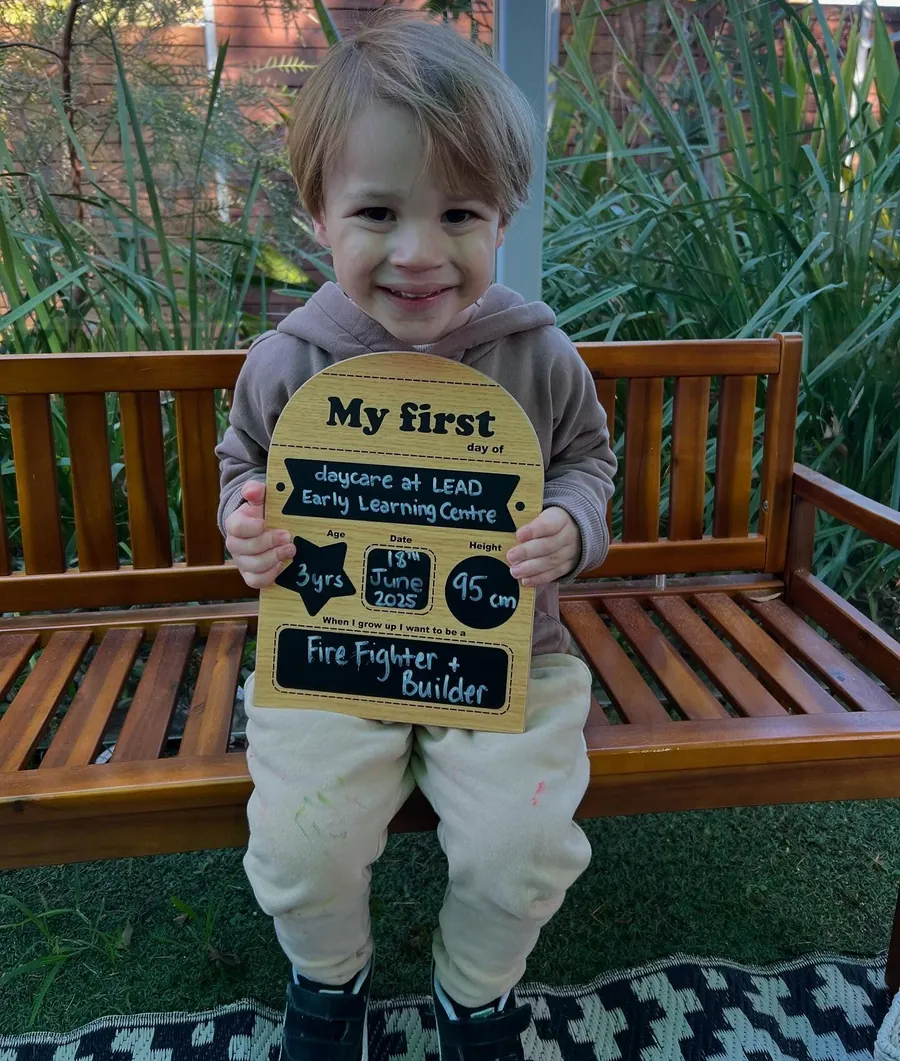
This page is for families who have accepted a place, or are about to, and want to know how the first weeks will go. Orientation is the last of four steps; the others are explained in our step-by-step enrolment guide.
Our orientation process
Our orientation process is personal rather than fixed. We learn your child's routines, invite you both in for short visits, introduce the educators who will care for them, and agree a transition plan with you. This way of settling child into daycare builds trust with the room before you ever say goodbye for a full day.
It starts with a conversation. You tell us how your child sleeps, eats, calms down and communicates.
Educators copy what already works at home, from the way a baby is settled to the song a toddler likes at nap time.
The number of visits is not set in advance. Some children are ready quickly; others need more time, and that is fine.
Parents are welcome to stay and take part during orientation sessions. Watching you relax with the educators is one of the strongest signals a young child can get that this is a safe place.
We also ask what worries you. A concern about naps, eating or a shy temperament shapes how educators approach the first days, and what they tell you afterwards.
The four parts
- 1. Share
- Your child's routines and your worries
- 2. Visit
- Short visits with you in the room
- 3. Plan
- A transition plan agreed together
- 4. Stay in touch
- Updates and chats in the first weeks
 One step at a time
Your first visit
Your first visit is short and relaxed, and you stay with your child the whole time. You get to know the room's educators, see where your child will play, eat and rest, and hand over the details of their routines. Your child simply gets to explore with you close by.
Once you have accepted a place, call us to set a time that suits your family, or send your details through our enrolment enquiry form.
Gradual start options
A gradual start means building up to full days rather than beginning with one. After the first visits, many families choose a few shorter days, collecting their child after lunch or rest time, then lengthening the day once their child is comfortable. It all goes into the plan we write with you.
Visit together
You and your child spend time in the room, side by side.
Step out briefly
You say goodbye for a short while, then return.
Shorter days
A morning or half day, with pick-up after a meal or rest.
Full days
The usual day, once your child is ready.
Your fee is for the booked session, so shorter days are about comfort, not cost. Ask us how to fit a gradual start around your return to work.
What day one looks like
On day one, you sign your child in on our digital system, help them put their bag away, and hand over to an educator they have already met. After a short, warm goodbye, the educator stays close, follows the routines you shared, and lets you know how things are going.
Pack a comfort item. A favourite toy, blanket or dummy helps with rest and with the moment you leave.
Let your child know you are leaving and roughly when you return, then head off. Lingering tends to make it harder.
At pick-up, the educator tells you about the day: what they ate, how they slept, and what they enjoyed.
Day one checklist
- Bag packed and labelled
- Comfort item from home
- Sign in on arrival
- A short, confident goodbye
- App notifications switched on

How we keep you updated
We keep you updated through the KinderM8 app, with daily updates and photos, and through conversations at drop-off and pick-up. In the first weeks, educators make a point of letting you know how your child is settling, so you are not left wondering at work.
The app
Daily updates, photos and learning stories, straight to your phone.
At the door
A quick chat at drop-off and a fuller one at pick-up.
Meetings
Parent-teacher meetings to talk about how your child is going.
Signs your child is settling
Your child is settling when they start to recover quickly after you leave, eat and rest at the centre, join in with play, and mention educators or friends at home. Tears at drop-off can continue for a while even when the rest of the day is going well.
What helps most depends on age. Pick your child's age group to see what educators most want to hear from you before the first day.
Babies and young toddlers
- Feeding times, bottle or cup, and any formula
- How your baby falls asleep, and for how long
- Signs of tiredness or hunger that are unique to them
- Comfort items, dummies and favourite songs
Two-year-olds
- Words your child uses for toilet, drink and help
- Where toilet training is up to
- What calms them when they are upset
- Favourite activities to offer on a wobbly morning
Three to five-year-olds
- Friends they already know at the centre
- Interests you could build a first project on
- How they cope with new groups and noise
- Any worries they have mentioned about starting
For babies, see how the room works on our nursery room page.
If settling takes longer
If settling takes longer than expected, we adjust the plan with you rather than push ahead. That might mean more visits, shorter days for a while, a different drop-off routine, or a consistent educator to greet your child each morning. Some children take weeks, and that is normal.
Tell us what you are seeing at home. Changes in sleep or appetite help us understand the whole picture.
Consistent days help. Children who attend on the same days each week usually settle sooner.
If there is an additional need, allied health professionals such as speech and occupational therapists, and early intervention teams, can work alongside us. For more ideas, read our parent guide to settling into daycare.
What we might try
- Extra visits with you
- Shorter days for a while
- The same educator at drop-off
- A new goodbye ritual
 Every child, own pace
Orientation, answered
How many orientation visits do we get?+
There is no fixed number; we agree the visits with you based on how your child responds. Some children are comfortable after a couple of short sessions, while others need more. What matters is that your child feels at home by their first full day, not that a timetable is met.
What if my child cries at drop-off?+
Crying at drop-off is common and usually stops soon after you leave. An educator your child knows will comfort them and help them into an activity. We will let you know through the app or by phone how they settled, so you are not left guessing all morning.
Can I call during the day?+
Yes, you can call the centre on (02) 7238 8668 at any time during opening hours to check on your child. Educators may be busy with children when you ring, so the team will pass on a message or call you back. Updates also arrive through the KinderM8 app.
Back to the Lead Early Learning Centres homepage.
Ready to plan your child's first visits?
Tell us about your child and we will build the orientation around them.