
Early Learning Programs at Lead St Ives
Lead Early Learning Centres offers five early childhood education programs, planned for children from 0 to 12 years. Three run inside every day of long day care at our St Ives centre: play-based early learning, the School Readiness Program for the year before school, and extracurricular sessions in sport, yoga, cooking and language. The other two, before and after school care and vacation care, are for children who have already started school. Below you will find how the programs connect, what each age group experiences and how learning is shared with you. For fees, rooms and enrolment in one place, visit our childcare and preschool centre in St Ives.

How our programs are structured
Our programs sit in two layers. Long day care carries a core education program for every child from 6 weeks to 6 years, with school readiness and extracurricular sessions built on top of it, while separate school-age care looks after children aged 6 to 12.
Every one of our early childhood education programs is planned by the educators who run it. That keeps each day responsive: when a group becomes fascinated by insects or building, the plan bends toward that interest while still covering the outcomes the national framework sets. The first three programs below are part of every long day care day and are covered by the daily fee. The last two run separately for children who are already at school.
Early childhood education
Reggio Emilia inspired, play-based learning mapped to the Early Years Learning Framework, running in every room.
Explore how children learn →School readiness
The focus of the preschool year: early literacy, numeracy, self-help and the social confidence a kindergarten classroom asks of a child.
See how we prepare for school →Extracurricular activities
Sport, yoga, cooking and language development, woven into ordinary weeks with nothing extra to pay.
Browse the included activities →Before and after school care
A supervised start and finish to the school day, with homework time, indoor and outdoor play and room to unwind.
View school-day care →Vacation care
School holiday days filled with themed activities, creative projects, games and learning through play.
View the holiday program →Play-based learning and the EYLF
Play-based learning means children build knowledge by doing, testing and talking, while educators plan the materials and questions that stretch them. At Lead that play is mapped to the Early Years Learning Framework, the national framework approved for children from birth to five.
The current version, EYLF V2.0, sets out five learning outcomes, listed alongside. Educators observe what each child is working on, plan the next experience, then reflect on what happened. The framework calls this the planning cycle, and you can read it in full among the national approved learning frameworks published by ACECQA.
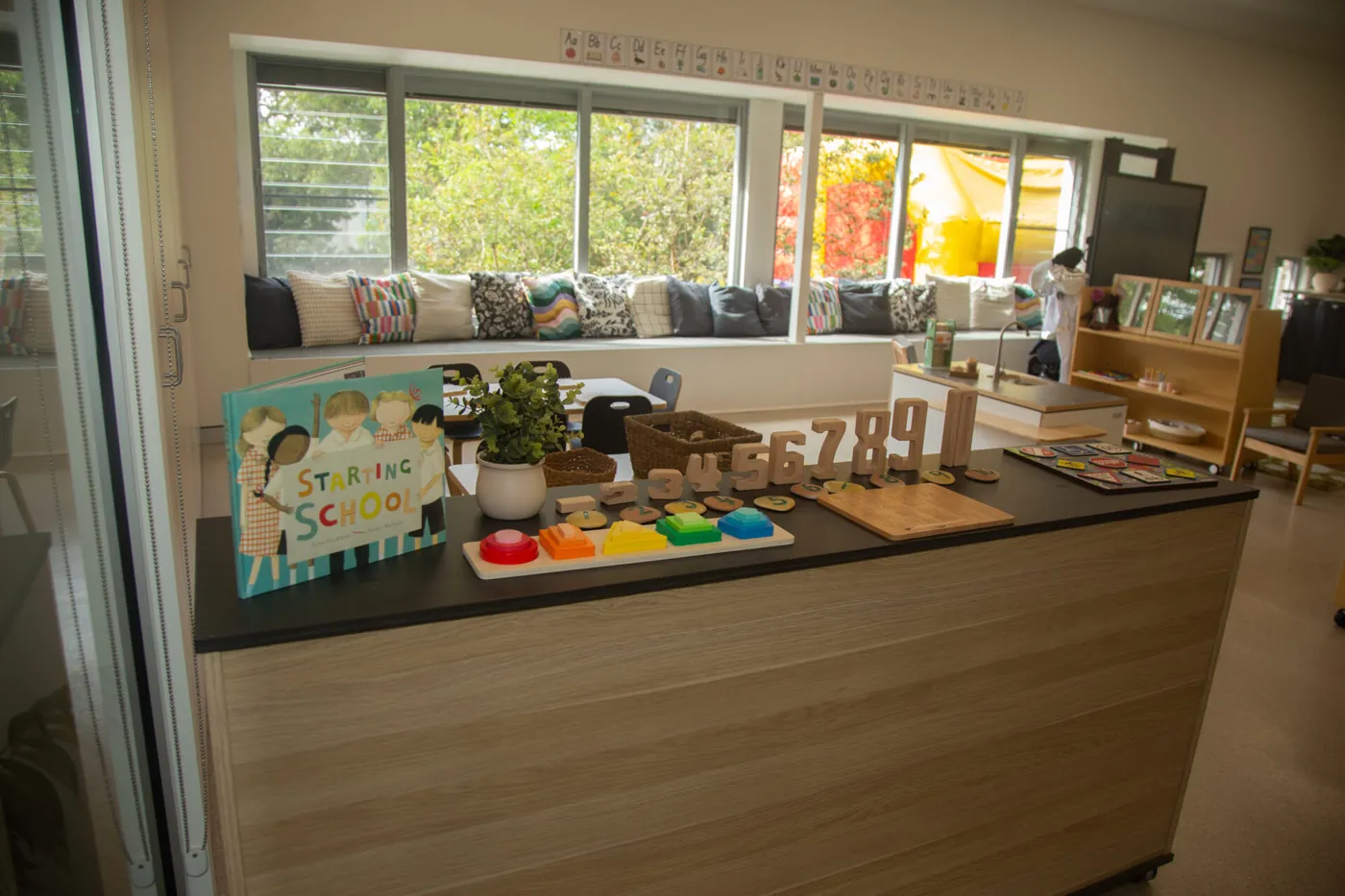
Our practice is inspired by the Reggio Emilia approach, which sees children as capable researchers of their own questions and treats the room itself as a teacher. In our rooms that looks like natural materials and wooden resources set out as invitations to explore, and group projects that grow from something a child wondered aloud.
Sustainability and STEM are threaded through the same program rather than taught as separate subjects. For a closer look at how a day of learning unfolds, read about our early childhood education program.
EYLF V2.0: the five learning outcomes
- Children have a strong sense of identity
- Children are connected with and contribute to their world
- Children have a strong sense of wellbeing
- Children are confident and involved learners
- Children are effective communicators
Source: EYLF V2.0, published by ACECQA.
 Learning through play
Program by age group
Each age group follows the same framework at its own pace. Babies learn through relationships, movement and the senses, toddlers through language and independence, three year olds through longer projects, and four year olds through the School Readiness Program.
| Room | Ages | Program focus | Also part of the day |
|---|---|---|---|
| Nursery | 6 weeks to 2 years | Secure relationships with familiar educators, sensory play, movement and first words | Rest in line with Red Nose safe sleep guidance |
| Toddlers | 2 to 3 years | Language, self-help skills, independence and support with toilet learning | Extracurricular sessions adapted to toddlers |
| Pre-Kindy | 3 to 4 years | Longer projects, early mark-making, counting and cooperative group play | STEM and sustainability experiences |
| Preschool | 4 to 5 years | School readiness: literacy, numeracy, self-help, resilience and social skills | Reading Eggs and Prep School workbooks |
Extracurricular sessions and the early learning program run across all four rooms, shaped to suit each age. Ratios, routines and what a typical day looks like in each room are set out in our age groups and rooms guide.
School readiness
School readiness is the set of skills that helps a child settle into kindergarten, the first year of primary school in NSW. At Lead it is built during the preschool year through a dedicated program, delivered by educators who specialise in the transition to school.
The program works on four areas, using play alongside structured tools such as Reading Eggs and Prep School workbooks:
- Early literacy and numeracy
- Emotional resilience and social skills
- Self-help skills and routines
- Independence and classroom confidence
We also work with local primary schools to support each child's move, and the NSW Department of Education's starting school guide is a helpful companion for families. Term-by-term timing and how progress is reported are covered on our School Readiness Program page.
Extracurricular enrichment included in your fee
Sport, yoga, cooking and language development are part of the daily fee at Lead, not paid add-ons. Sessions run during the ordinary day, so every child attending takes part without an opt-in form or a separate invoice.
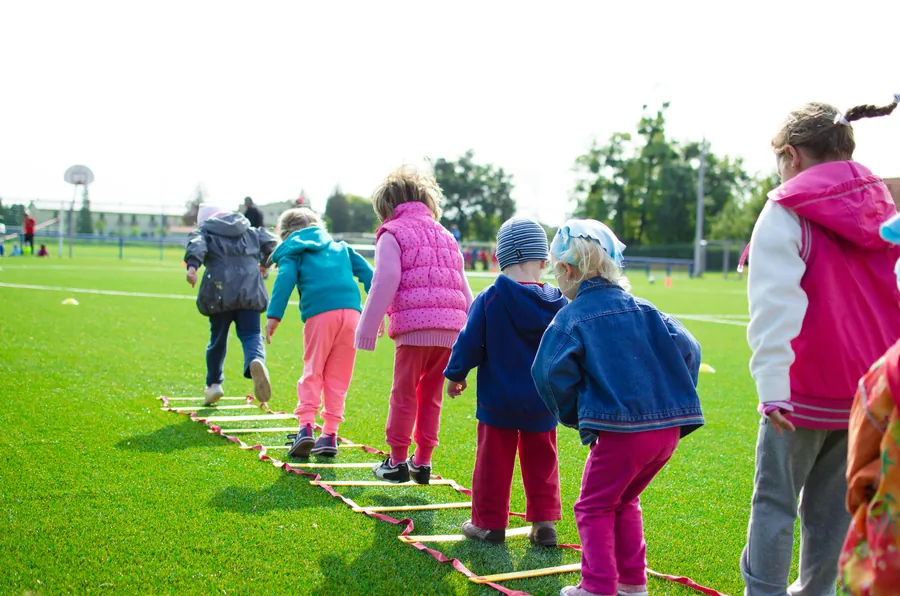
Sport and movement
Coordination, balance and teamwork through games that build a love of active play.

Yoga and mindfulness
Breathing and movement that help children notice their bodies and settle big feelings.

Cooking classes
Simple meal preparation that builds fine motor skills and curiosity about healthy food.
Language development
New sounds and words from additional languages, which sharpen listening and memory.
Alongside these, children enjoy excursions and visits from community guests that connect the program to life beyond the gate. Because enrichment already sits inside the fee, our cost estimator shows your real weekly cost after the Child Care Subsidy, with nothing added later. Session details and the weekly timetable are on the extracurricular activities page.
Out of school hours options
When your child starts kindergarten, Lead can keep caring for them through before and after school care and vacation care, both for children aged 6 to 12. School-age care in Australia is guided by My Time, Our Place, the national framework written for this age group.
Before and after school care
Ages 6 to 12A supervised, predictable space around the school bell. Children can finish homework, play indoors or outside, join age-appropriate activities or simply relax with friends. Find out more about before and after school care.
Vacation care
Ages 6 to 12Each school holiday period brings a fresh program. The Spring 2026 program for the September and October holidays includes sport, science, slime, movies, cooking, water games and LEGO. See the latest vacation care program.
Session times, holiday bookings and fees for school-age care are set separately from long day care, so ask our team for the current details through the contact page.
How programs are documented and shared with families
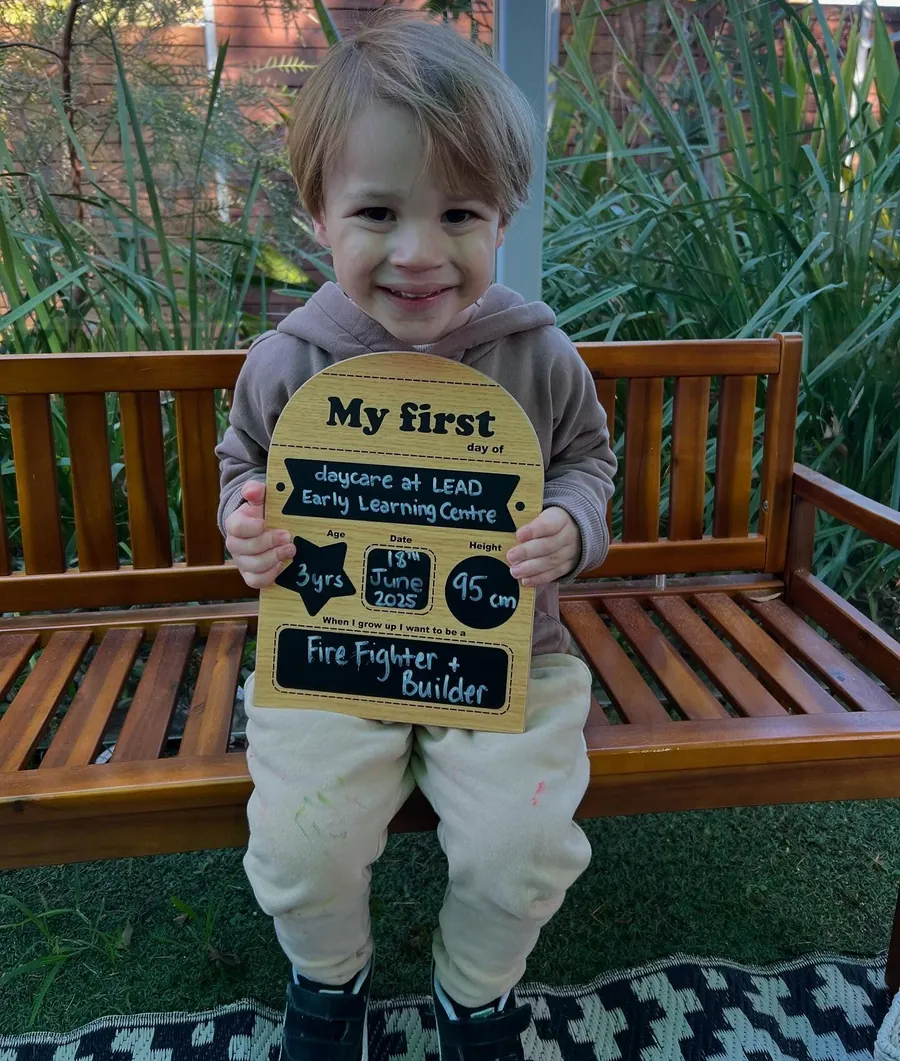
Educators document your child's learning through observations, photos and learning journals, then share it with you through KinderM8, the secure family app we use for daily updates. Formal progress summaries, newsletters and parent-teacher meetings add a fuller picture across the year.
Each day the app brings updates, photos and learning stories, so the drive home can start with something specific instead of "what did you do today?" The same app lets you request an extra day when a place is free and log an absence from your phone.
Documentation is also how educators plan: what they notice this week shapes the experiences they set up next week. Families are invited to suggest ideas for the program and share cultural traditions, and a face-to-face chat at drop-off or pick-up is always welcome.
What families receive
- 📱Daily updates and photos in KinderM8
- 📖Learning stories from educators
- 📝Observations and learning journals
- 📈Formal progress summaries
- 📰Regular newsletters
- 👥Parent-teacher meetings
Questions about our early childhood education programs
Are programs included in the fee?+
Yes, for long day care. The daily fee covers our early learning program, the School Readiness Program and extracurricular sessions in sport, yoga, cooking and language, plus Reading Eggs and Prep School workbooks. Before and after school care and vacation care are separate school-age programs with their own fees.
How do you plan the curriculum?+
Educators plan from the Early Years Learning Framework and from what they observe each child exploring. They record interests, plan the next experiences, then reflect on how those went. Families are welcome to suggest ideas or share traditions that become part of the program.
How do I see what my child did today?+
Open the KinderM8 app. Educators post daily updates, photos and learning stories there, and you can ask them for the detail behind each post at pick-up. Formal progress summaries and parent-teacher meetings give a longer view across the year.
Watch a program in action
Book a tour and see the rooms, materials and educators behind every program on this page.