
Separation Anxiety in Early Childhood
The separation anxiety toddler phase is distress when a parent or main carer leaves, and it is a normal, healthy stage of development. It often appears late in the first year, peaks in the toddler months and eases by around three, with flare-ups during change. Below, you will find the reasons behind it and practical ways to make goodbyes easier.
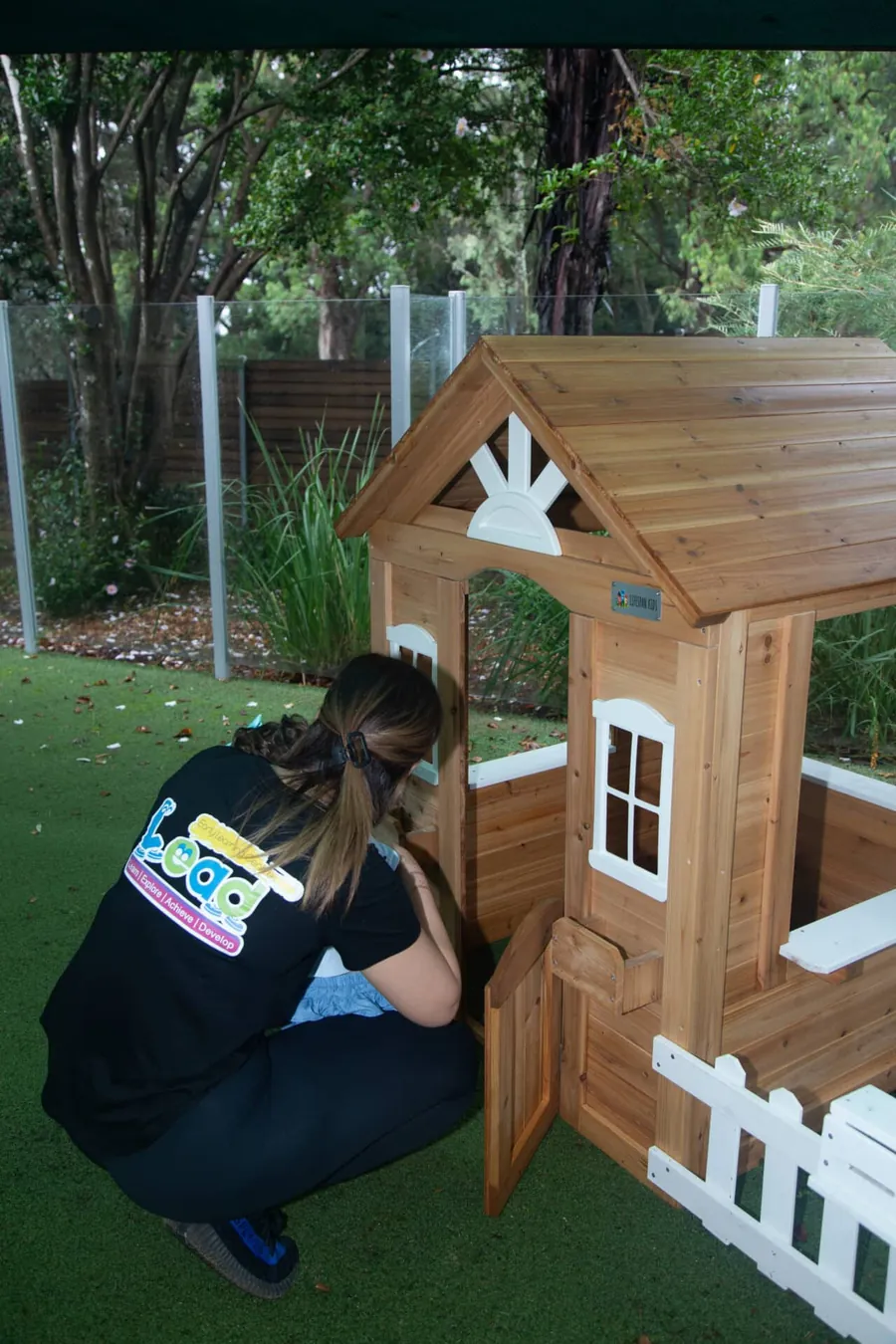
It can feel heartbreaking to peel a crying child off your leg at drop-off. Understanding separation anxiety as a developmental stage, rather than a sign something is wrong, makes those mornings easier to face. For practical first-weeks advice, see our settling into daycare guide; more topics are in our child development guides.
What separation anxiety is
Separation anxiety is the distress a young child feels when separated from the people they are most attached to. It shows up as crying, clinging, protesting or searching for a parent who has left the room. It is a normal stage, rooted in a child's growing understanding that people exist when out of sight.
Babies begin to understand that a parent who leaves still exists somewhere, and they want them back.
They do not yet understand time, so "back soon" means little at first.
Distress is often worst at drop-off and bedtime, the moments of separation.
It is different from shyness, though the two can overlap in cautious children.
What it can look like
- Crying when a parent leaves
- Clinging at drop-off
- Following a parent from room to room
- Waking and calling out at night
 Where did you go?
The ages it peaks
Separation anxiety often begins between about six and eight months, commonly peaks somewhere between ten and eighteen months, and usually eases by around three. It can flare up again at times of change, such as starting care, a new sibling, moving house, illness or after holidays, even in children who had settled well.
| Around | What often happens |
|---|---|
| 6 to 8 months | Wariness of strangers begins, and upset when a parent leaves the room |
| 10 to 18 months | Protest is often strongest; clinging and tears at goodbyes |
| 2 years | Still common, but children begin to trust that parents return |
| 3 years | Usually easing, with occasional flare-ups during change |
Why it is a sign of healthy attachment
Separation anxiety is a sign of healthy attachment because it shows your child has formed a strong, trusting bond with you. They protest when you leave precisely because you matter so much. Securely attached children still feel this distress; what changes over time is their confidence that you will come back.
Every reliable reunion builds trust. Each time you return as promised, your child learns that goodbyes are temporary.
Children can form trusting bonds with educators too, without weakening their bond with you.
A child who cries at drop-off but settles and plays is showing both attachment and adaptability.
The drop-off routine that helps
A drop-off routine that helps with separation anxiety is short, loving and predictable. Arrive without rushing, help your child settle into an activity, pass your child to an educator they know, share your goodbye ritual, tell them when you will be back, then leave confidently, even if there are tears.
Coping with a separation anxiety toddler phase at drop-off is easier when every adult who does drop-off uses the same routine.
Never sneak away. It can make children more anxious and watchful.
Keep your goodbye ritual the same each day: a hug, a kiss and a wave at the window.
Link your return to the routine: "after afternoon tea".
A comfort item from home, such as a small toy or blanket, can help bridge the gap.
Goodbye ritual ideas
- Two hugs and a high five
- A wave at the window
- A kiss "to keep in your pocket"
- A special goodbye phrase
 See you soon
What educators do after you leave
After you leave, educators comfort your child, stay close, and gently help them into an activity they enjoy. Most children settle within minutes once the moment of goodbye has passed. Educators watch for how long it takes and keep you informed, so you know how the rest of the morning went.
Familiar faces help. At our centre, each room keeps its own team, so the same educators greet your child each day.
Comfort items from home are welcome, especially at rest time.
The KinderM8 app sends daily updates and photos, so you can see your child playing happily not long after a tearful goodbye.
Read how we plan the first visits in our orientation guide.
When it eases
Separation anxiety usually eases gradually as children grow in language, independence and trust that parents return. For most children the strongest phase is over by around three, though flare-ups at times of change are normal. In a new care setting, many children settle within a few weeks with a consistent routine.
Talking about the day ahead at breakfast, who will be there and what you will do together afterwards, helps children feel prepared.
Language helps. Once children can understand "after lunch" and talk about their day, goodbyes get easier.
Consistent attendance helps too. Regular days make the routine familiar.
Expect some setbacks after illness, holidays or big family changes. They usually pass quickly.
Notice progress: shorter tears, quicker settling, talk about friends and educators.
When to seek advice
Seek advice if separation distress is intense and lasting well beyond three, stops your child joining in with everyday life, comes with ongoing sleep or eating problems, or if your child never seems to settle after you leave despite a consistent routine. A GP, child health nurse or child psychologist can help.
Talk with educators first. They can tell you how long it really takes your child to settle after you leave.
Big life changes can prolong anxiety; extra reassurance and routine often help.
For a free chat with a maternal child health nurse, contact Pregnancy, Birth and Baby.
See also our guide to social and emotional development.
Separation anxiety, answered
Is crying at drop-off harmful?+
No, crying at drop-off is not harmful when a child is cared for by warm, responsive educators who comfort them and help them settle. It is a normal expression of attachment. What matters is how quickly your child settles afterwards, which educators can tell you about.
Should I stay longer?+
Usually a short, warm goodbye works better than staying longer once your child is familiar with the room. Lingering can make the moment of separation harder and longer. During orientation, staying is helpful; after that, a predictable routine and a confident exit help most children.
Why is it worse some weeks?+
Separation anxiety often flares after holidays, illness, a new sibling, a house move, a change of room or simply a tiring week. Developmental leaps can trigger it too. Keeping routines steady and offering extra reassurance usually helps things settle again within days or a couple of weeks.
Discover our St Ives early learning centre.
Meet the educators first
A visit together helps your child feel at home before day one.