
Kindergarten Orientation in NSW
Kindergarten orientation is a chance for your child to visit their new school, meet teachers and see the classroom before the first day. Most NSW schools run it towards the end of the year, and many spread it across several short sessions. This guide explains what happens, what Best Start is, and how to help your child feel ready.
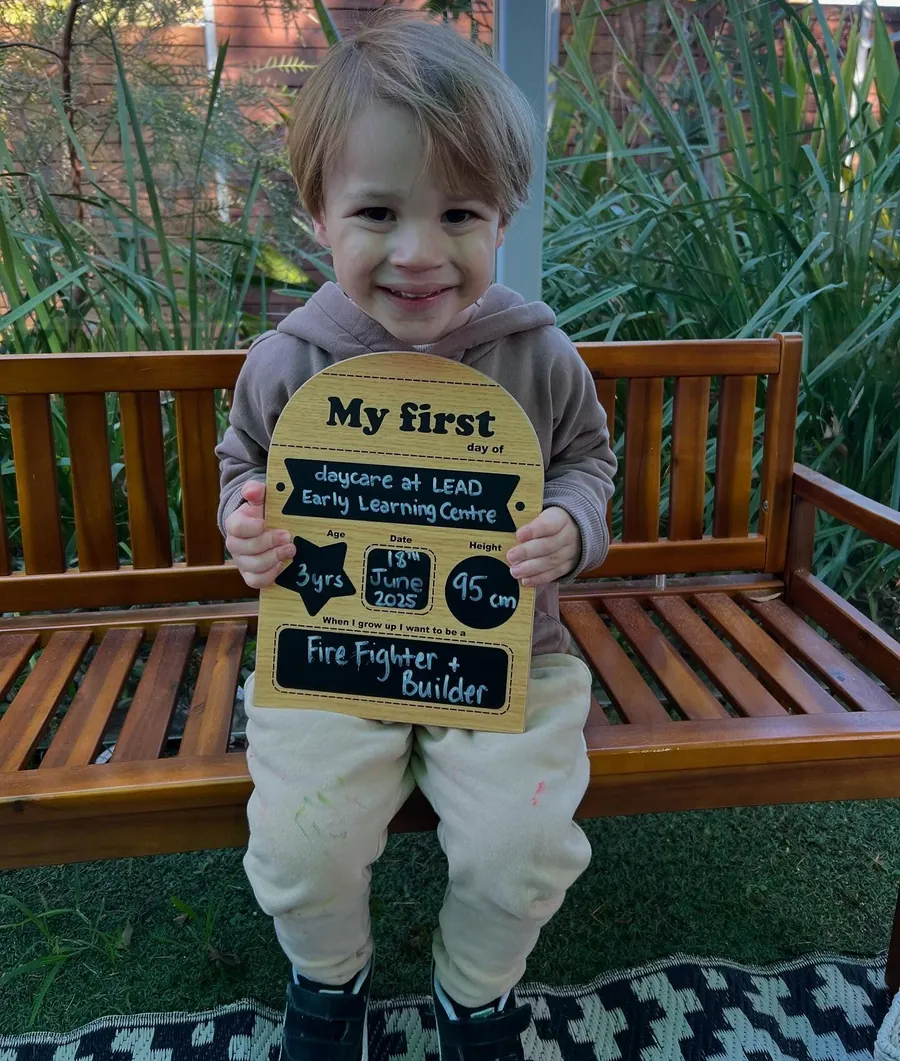
Orientation often feels like a bigger deal to parents than to children. You may be walking past the same gate you went through as a child, or watching your youngest disappear into a classroom for the first time. Your child, meanwhile, is mostly interested in the playground and whether there will be a snack.
This guide is for families in NSW with a child starting Kindergarten next year. It covers public schools in the most detail, because their processes are the most standardised, but most of it applies to Catholic and independent schools too. Every school runs orientation its own way, so always check the details with your child's school.
For the full year before school, from choosing the starting year to the first term, see our starting school in NSW hub.
What orientation is for
Kindergarten orientation helps children and families get to know a new school before term starts, so the first day feels familiar instead of strange. Children see the classroom, the toilets and the playground, and meet some of the adults and children they will spend next year with. Parents learn how the school works.
For children, the aim is familiarity. A room they have seen before is far less scary than one they have not.
For parents, orientation is often where you get the practical details: uniforms, lunches, drop-off, the school app, and what to bring on day one.
For teachers, it is a first chance to meet each child and start thinking about classes and support.
Orientation is not an assessment or a test of readiness. No child "fails" orientation, and how a child behaves on the day says little about how they will settle.
Orientation helps with
- Knowing the way in
- Finding the toilets
- Meeting a teacher
- Spotting a familiar face
 Familiar, not scary
When schools run it
Most NSW schools hold Kindergarten orientation towards the end of the year, usually in Term 4. Many public schools run a transition program over several weeks in the second half of the year, with short weekly sessions, while others hold one or two orientation mornings. The school will contact you once your enrolment is in.
Sessions are usually an hour or two, often in the morning, so plan for a late start or early pick-up from preschool on those days.
Some schools run a separate parent information evening, with the principal and Kindergarten teachers explaining how the year works.
If you enrol late in the year, ask whether you have missed sessions and whether your child can join the remaining ones.
Catholic and independent schools set their own programs, which may start earlier or run differently. Check dates when you enrol.
Tell your child's preschool educators the dates. They can talk about the visit with your child before and after, which helps a lot.
Working parents often find orientation hard to fit around a job, especially when it runs weekly. Ask early whether sessions can be attended by a grandparent or another carer, and whether the parent talk is repeated or recorded. Most schools understand and will try to help.
If your child has additional needs, ask the school about an extra visit or a longer transition. Many schools offer this, and a quieter visit before the group sessions can make a real difference for children who find new places hard.
What happens on the day
On a typical orientation day, children spend time in a Kindergarten classroom doing simple activities like drawing, stories and play, while parents attend a talk or wait nearby. Many schools introduce older buddies, show children the playground and toilets, and finish with a short play or snack.
Illustrative example, schools vary- Arrive
Welcome at the hall or classroom
Name tags, a quick hello from teachers, and children head into the room.
- Classroom
Stories and activities
A story on the mat, then drawing, puzzles or play at tables with the teacher.
- Parents
Information session
Parents hear about routines, uniforms, lunches and the first weeks, often over a cuppa.
- Explore
Tour with buddies
Older students may show children the toilets, bubblers, library and playground.
- Finish
Play and pick-up
A short play or fruit break, then children rejoin parents.
Some children walk straight in; others stay close to a parent for the whole session. Both are fine.
Teachers may watch how children separate, listen and join in, but this is to help plan classes, not to judge.
Best Start assessments explained
The Best Start Kindergarten Assessment is a short, one-on-one check that NSW public school teachers run in the first weeks of Kindergarten, not at orientation. It gives teachers a picture of where each child is with early reading, writing and number. It is not a test, needs no preparation, and children cannot pass or fail it.
It starts with the teacher chatting with your child, then moves through simple tasks, mostly individually and sometimes in small groups.
Teachers use the results to plan teaching that suits each child from the start of the year.
Afterwards, the teacher may meet with you to share what your child showed and ideas for supporting them at home.
Please do not coach your child for it. The goal is a true picture of where they are, so teachers can help properly.
The department explains more on its page for the Best Start Kindergarten Assessment.
Preparing your child
The best preparation for orientation is calm, positive talk and a little familiarity. Walk or drive past the school, look at the website photos together, and talk about what might happen in simple, honest terms. Keep your own nerves in check, because children read our feelings closely.
Read picture books about starting school. The NSW Department of Education's book "Daisy's First Day" is one option.
Practise the basics your child will use: opening a snack container, asking to go to the toilet, putting on shoes.
Avoid overselling. "You will meet a teacher and see the classroom" is better than "It will be the best day ever".
Plan something quiet and familiar for after the session. It can be a big morning.
Ask afterwards what they liked, rather than "Was it good?". Specific questions get better answers.
Talk about
- Who they might meet
- Where the toilets are
- What they might do
- Who picks them up
 Calm and honest
Questions to ask the school
Orientation is your chance to ask the practical questions that make day one smoother. Tick the ones you want to ask, then copy your list to your phone. You will not need them all, and many will be answered in the parent session, but having a list means nothing slips through.
After orientation, before day one
The weeks between orientation and the first day, including the long summer holidays, are a good time to build familiarity and confidence without pressure. Keep talking about school now and then, practise a few routines, and sort out the practical things early so January is calm.
Buy and label uniforms, shoes, hat and bag early, and let your child try them on at home.
Practise the school morning routine a few times in January, including getting dressed and eating breakfast on time.
Visit the school playground in the holidays if it is open to the public.
Keep up playdates with children going to the same school, so there is a familiar face at the gate.
Wind bedtimes back gradually in the last week of the holidays.
Keep the tone light. Mention school casually, answer questions honestly, and let your child lead how much they want to talk about it. A child who is not talking about school is not necessarily worried, and a child who asks the same question ten times is usually just checking the answer stays the same.
If you are unsure about skills, our starting school checklist is a useful guide.
How our preschool year helps
Our School Readiness Program runs through the year before school, building the independence, confidence and social skills that make orientation feel less daunting. We work with local schools to support children's transitions, and educators are happy to talk through orientation plans with you.
If your child is anxious about school, let us know. Educators can include school play and picture books in the room, and talk through the visit with your child. Call (02) 7238 8668 or read about the School Readiness Program.
Orientation, answered
Do parents stay?+
It depends on the school, but parents usually stay on site for orientation, often in a separate information session while children spend time in the classroom. Some schools invite parents into the room at the start. Check the invitation, and plan to be available for the whole session.
What if my child refuses to join in?+
That is common and not a sign your child is not ready for school. Stay calm, let them watch from the side or hold your hand, and tell the teacher. Many children who hang back at orientation settle well once school starts and routines become familiar.
What is Best Start?+
Best Start is a short, one-on-one assessment NSW public school teachers run in the first weeks of Kindergarten to see each child's literacy and numeracy skills. It is not a test and needs no preparation. Teachers use it to plan learning, and may share results with you afterwards.
Questions about the year before school? Visit our St Ives centre.
A confident year before school
See our preschool room and meet the educators.