Yoga Studio Pods Australia
Your Backyard Yoga Sanctuary
A dedicated yoga and pilates studio at the end of your garden. Natural light, glass walls, calming design. 18sqm from $18,500, delivered to every state.
The Practice Space
Why a Yoga Studio Pod?
Practising yoga at home is possible in a cleared living room. It is not the same as practising in a space designed around the practice. The spare room has furniture pushed to the walls, the lounge has the coffee table moved aside, and neither has the light, the proportion, or the atmosphere of a dedicated studio.
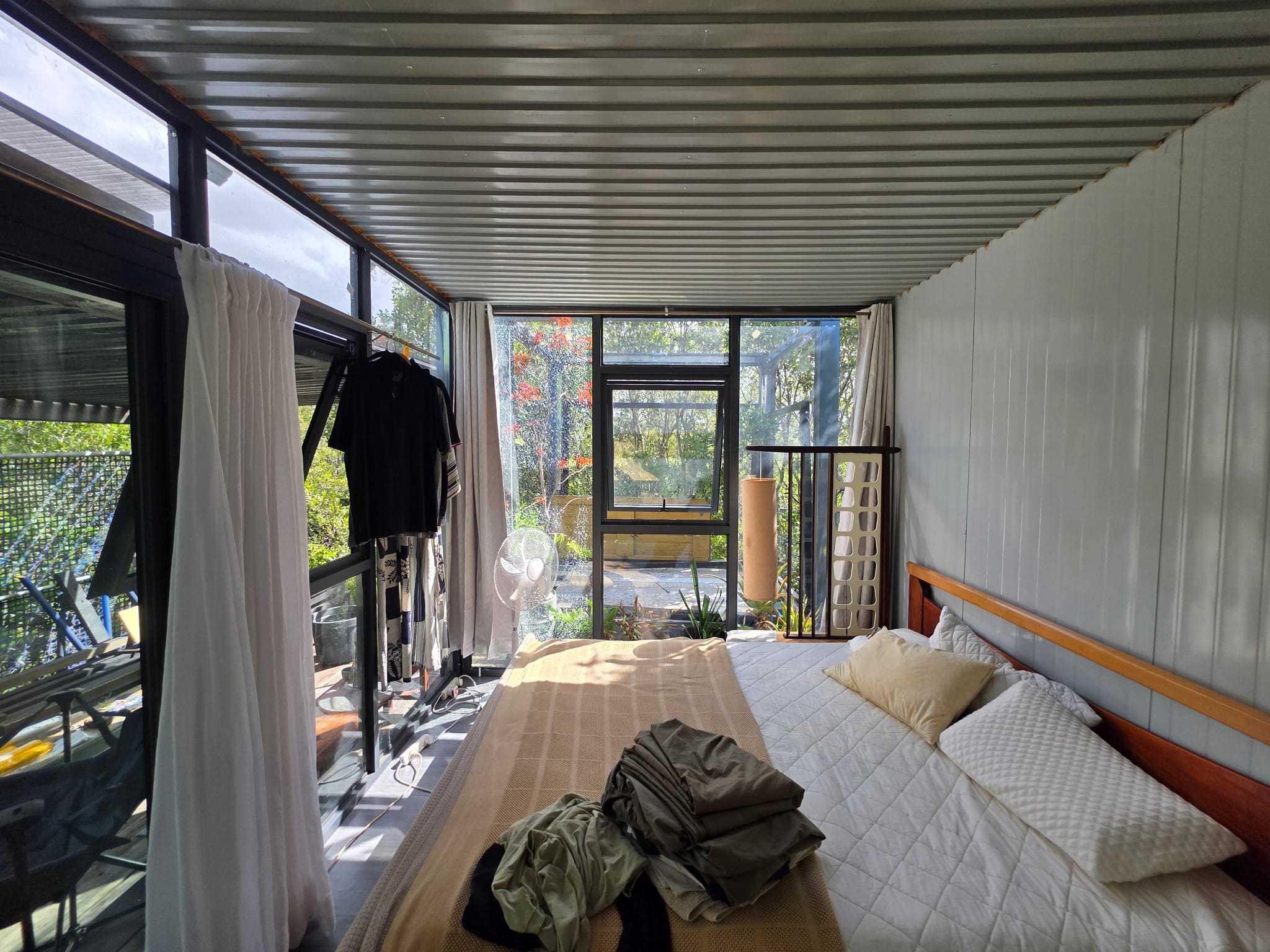
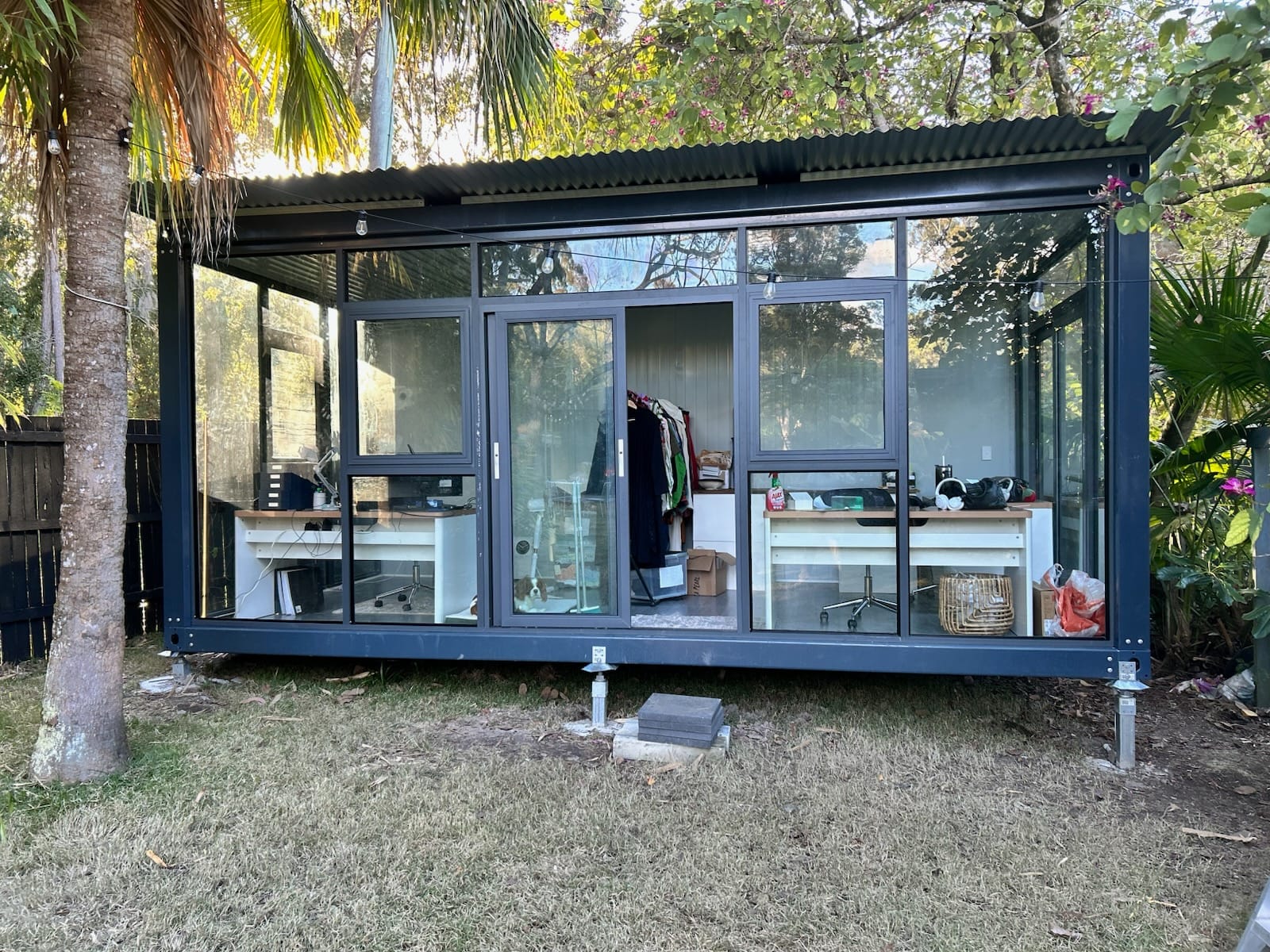
A yoga pod is a room built for movement and stillness in equal measure. The glass walls frame the garden. The proportions suit both extended layouts and standing work. The separation from the house means you leave the household behind when you step inside, which is not a trivial thing for a practice that depends on internal quietness.
For pilates practitioners, the same space handles a reformer with good clearance. For meditation, the glass connection to the garden provides exactly the quality of environmental presence that makes the practice feel grounded rather than claustrophobic.
Studio Dimensions
Studio Layout: Mat Capacity & Flow
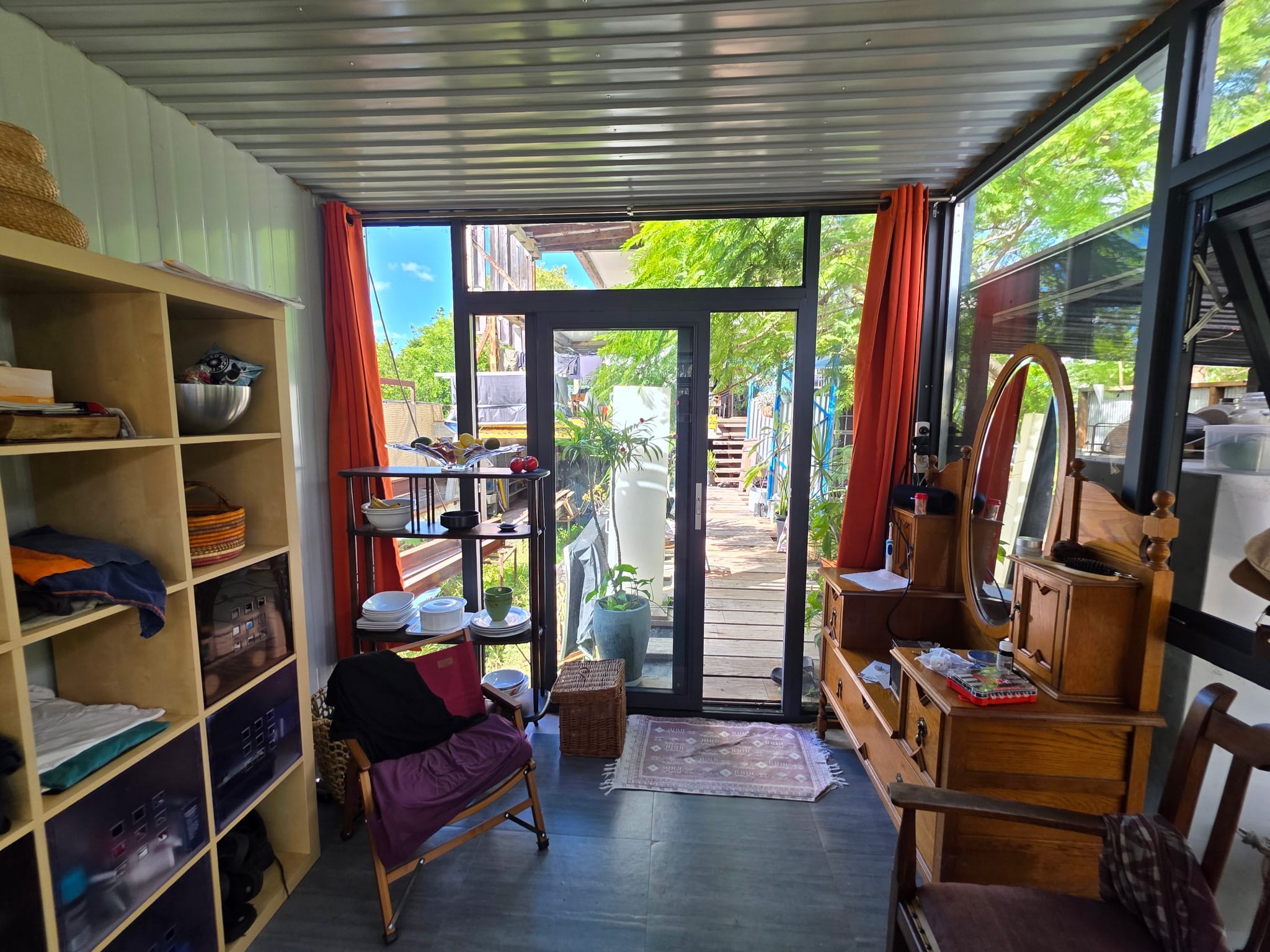
18sqm is 6 metres by 3 metres of clear floor. Here is what the space accommodates in practice.
Six 60cm x 180cm mats in two rows of three, with 60cm between mats and 80cm clearance at each end. Enough space for all standard flow sequences without adjusted spacing.
A standard reformer is approximately 2.4m long. Placed along one wall, it leaves 3.6m of clear floor length for mat work alongside or in front of it.
Solo or couples studio
One or two mats centred in the full 18sqm. Props stored on a low shelf along the opaque wall. Mirror panel on the end wall for alignment checking. The full floor is available for every session without rearranging furniture.
Up to 6 students
Six mats in two rows of three. One mat at the glass end for the instructor, facing the class. Props bins in the corner. This is the configuration for small-group teaching from home.
Reformer and mat
Reformer along the side wall under the glass. Two mats in the remaining floor space for warm-up, cool-down, and equipment-free work. Resistance bands and blocks on a wall-mounted rail.
Underfoot
Flooring Options for Yoga & Pilates
The floor is the most important fit-out decision in a yoga studio. The wrong surface affects grip, joint cushioning, and the feel of the practice. Here are the four options buyers commonly choose.
Comfort All Year
Climate Control: Heating, Cooling, Humidity
Yoga and pilates practices vary in their temperature requirements. A standard flow class is comfortable at 20 to 23 degrees. Bikram or hot yoga requires 38 to 42 degrees with elevated humidity. Both are achievable in the pod with the right HVAC specification.
Standard practice
A 2.5kW reverse-cycle split-system maintains 20 to 23 degrees year-round in an 18sqm pod. In QLD and coastal NSW, cooling is the primary requirement. In VIC and ACT, heating in winter is more demanding. The SIP insulation handles the base thermal load in both directions.
Warm yoga
For practices conducted at 28 to 32 degrees, a 3.5kW reverse-cycle unit with a ceiling fan for even heat distribution achieves the target temperature quickly. The fan circulates warm air from ceiling level to floor level, preventing stratification.
Hot yoga
Bikram-style hot yoga at 38 to 42 degrees with elevated humidity requires a dedicated heating system beyond a standard split-system. Infrared panel heaters combined with a humidifier achieve the required conditions. Ventilation planning is critical for this use case. Discuss at quote stage.
Studio Finishing
Adding Mirrors & Props Storage
Two finishing elements transform a bare pod into a studio: a mirror wall for alignment and a well-organised props storage system that keeps the floor clear when not in use.
- Full-height safety-backed studio mirror on the opaque end wall, fitted by a glazier
- Mirror positioned so the instructor can see the full class from the front mat position
- Low bench or shelf below the mirror for personal items and water bottles
- Wall-mounted horizontal rail for resistance bands, straps, and blocks
- Corner prop storage unit for bolsters, blankets, and foam blocks
- Reformer on the side wall, perpendicular to the glass, for maximum floor light
- Bluetooth speaker wall-mounted above head height, wired to a dedicated circuit
The glass walls do not require mirrors opposite them. A single mirror on the opaque end wall gives the class a focal reference point without creating an overwhelming reflective environment.
Running Classes
Can I run small group classes from a pod?
Many buyers who purchase a yoga pod run small-group classes as part of a home studio business. Up to six students in a 45 to 60-minute session is common. Before doing this, there are practical considerations to think through.
Zoning and council: most residential zones permit occasional small-group activities from a home studio without a change of use permit. Running regular classes that generate parking, noise, or foot traffic may require a home-based business approval from your council. Confirm with your council before advertising classes publicly.
Insurance: public liability insurance for a fitness or wellness class is separate from home and contents insurance. Confirm that your policy covers paying clients practising in a structure in your backyard. Many studio insurance products available to yoga instructors cover home studios, but the specific wording matters.
Client arrival: a defined path from the street or driveway to the pod, a waiting area outside, and a clear sign or gate number are the practical elements that make the client experience feel professional rather than residential.
Investment
Yoga Pod Pricing
Single yoga studio pod
- 6 × 3m SIP insulated structure
- Double-glazed glass panel walls
- Flat-pack delivery to site
- 6-day professional installation
- Pre-routed electrical conduit
- Structural engineering certificate
Delivery by state
| State | Delivery cost |
|---|---|
| QLD | $400 – $1,200 |
| NSW | $1,500 – $2,200 |
| VIC | $2,200 – $3,000 |
| ACT | $1,800 – $2,500 |
| SA | $2,800 – $3,500 |
| WA | $4,500 – $6,000 |
| TAS | $3,500 – $4,500 |
| NT | $5,500 – $7,500 |
A connected yoga studio with electrical, split-system, bamboo floor, and a mirror wall typically runs $25,000 to $30,000. See full specifications and garden studio page.
The Studio in Context
FAQ
Yoga Studio Pod FAQ
Get Started
Get a Yoga Studio Pod Quote
Tell us your state, your practice type, and whether you plan to teach. We confirm site suitability and advise on the best floor and climate spec. Display at Valdora, Sunshine Coast QLD.
Request a Quote Call 0490 537 205