
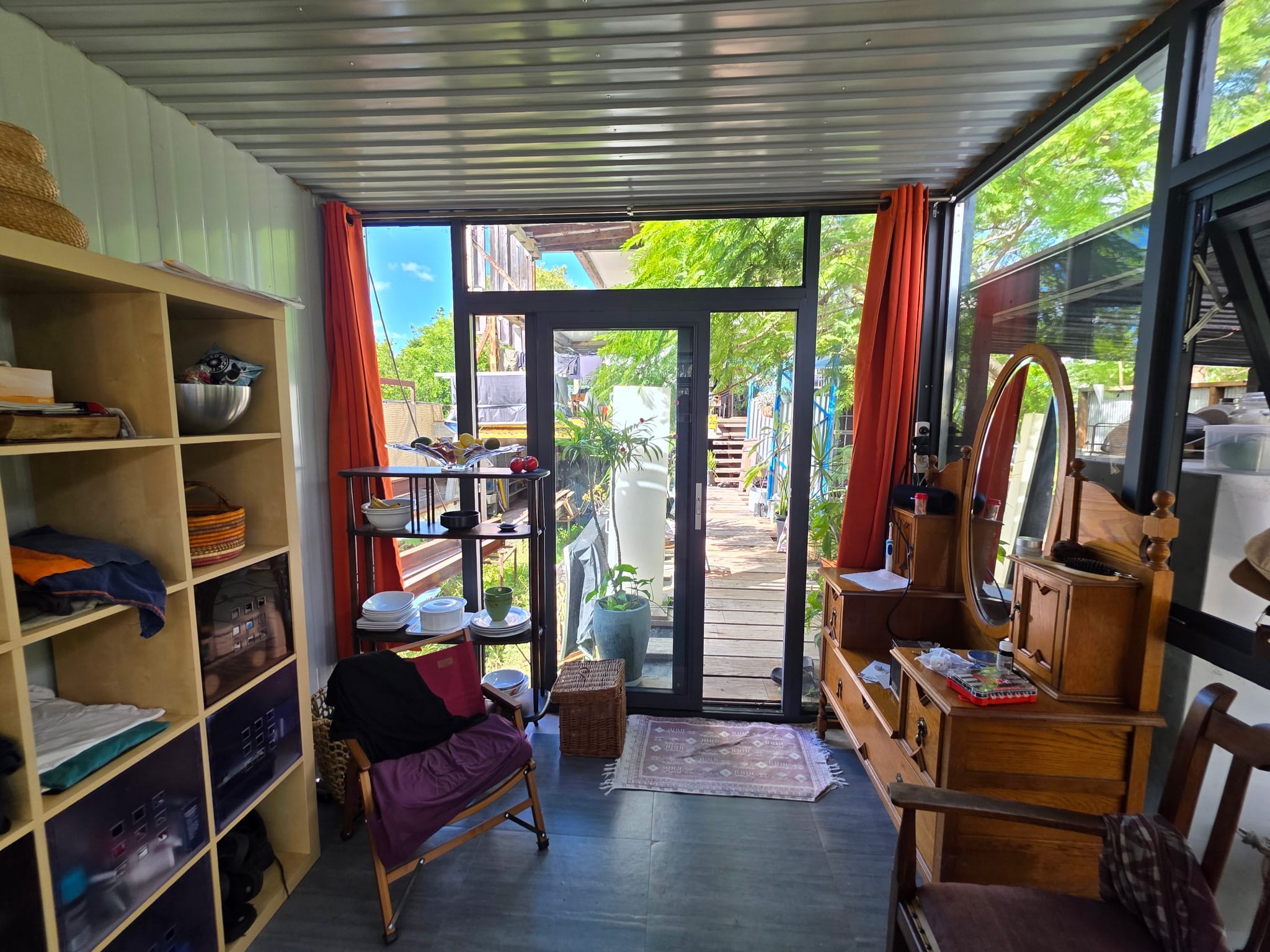
Pilates Studio Pods
Your Own Reformer Studio at Home
Stop paying studio rent. A 18sqm glass pod fits a full reformer, mat space, and props storage. $18,500 base, delivered to every state.
Get a Quote Call 0490 537 205The Financial Case
Why a Home Pilates Studio Pod?
Pilates studio owners and instructors who rent space pay $50,000 to $80,000 per year in commercial lease costs, or $100 to $200 per session in room hire. A pod replaces that overhead entirely.
For personal use, the calculation is different but still compelling. A high-quality reformer costs $3,000 to $10,000. A casual studio session costs $40 to $80. Ten sessions per month is $500 to $800 per month, or $6,000 to $9,600 per year. The pod pays for itself in two to three years of personal use alone, and it adds a structure to your property.
- No travel to a studio, no booking slots, no time pressure
- Reformer stays permanently set up, ready at any hour
- Clients or training partners arrive without entering your home
- Spring-loaded reformer noise is contained inside an insulated structure
- Potential depreciation and running cost deductions for registered instructors
Equipment Fit
Fitting a Reformer in 18sqm
A standard pilates reformer is approximately 2.4m long and 0.65m wide. Placed along one of the 6-metre walls, it takes up less than half the floor width, leaving a 2.35m clear path alongside it. Two reformers can be placed in parallel with comfortable clearance between them.
Single reformer configuration
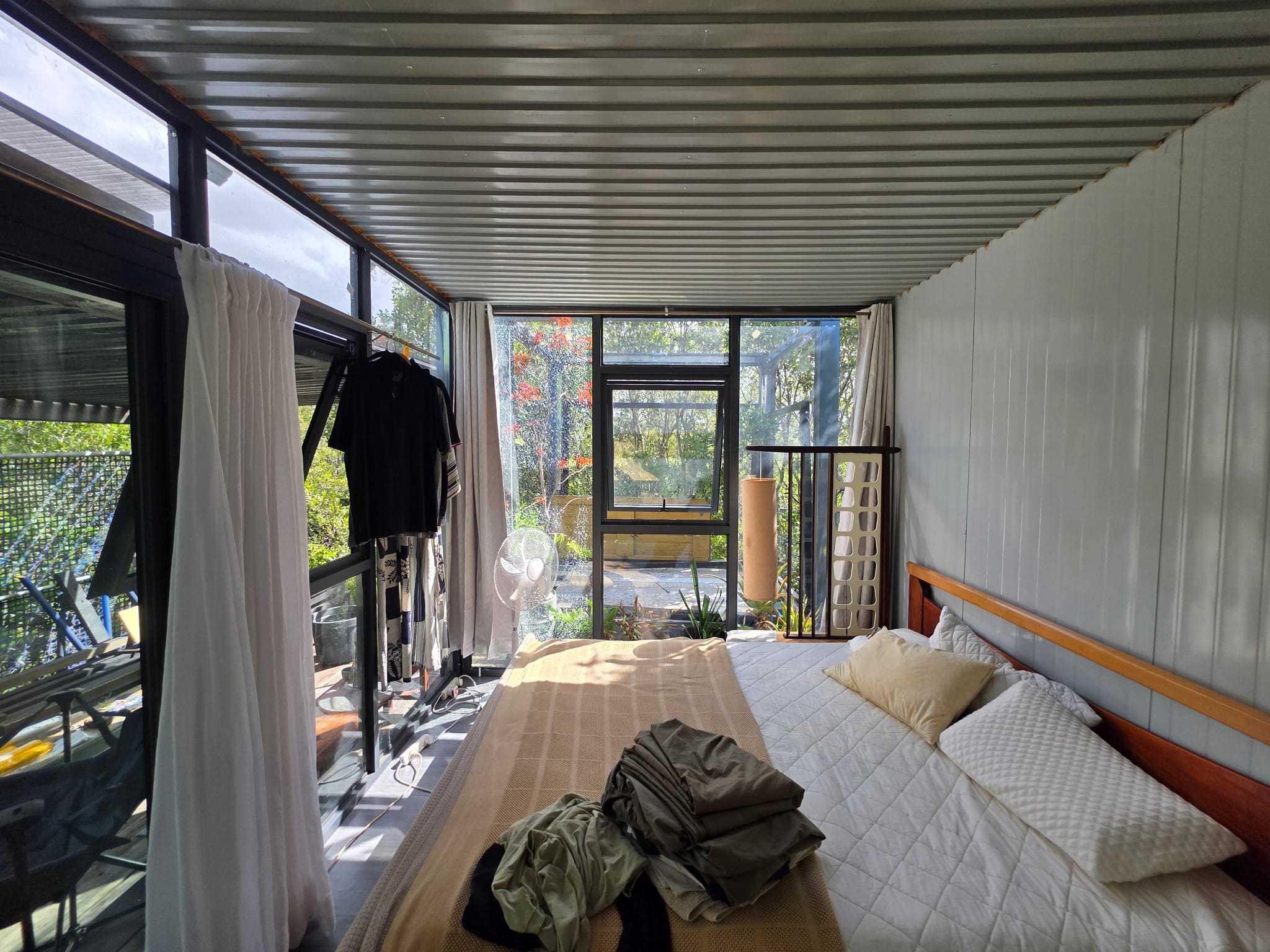
Reformer along the side wall under the glass panels for natural light. 2.35m clear path beside it for the instructor to work. 3.6m of remaining floor length at the far end for mat work, cadillac exercises, or props warm-up. Mirror on the end wall for form checking. Total: one reformer, two mat positions, full studio workflow.
Dual reformer configuration
Two standard reformers side by side in the 3m width of the pod, with approximately 70cm between them. This is a tight but functional configuration for partner sessions or small-group private classes of two. A linked two-pod configuration at $37,000 is the more comfortable option for regular dual-reformer use.
Studio Fit-Out
Flooring & Mirror Setup
Pilates flooring differs from yoga flooring because the reformer carriage wheels need a surface that does not indent under load. The mirror requirement is also slightly different because the instructor needs to see the client on the reformer from multiple angles.
Hard floor for reformer wheels
A floating bamboo, hardwood, or vinyl plank floor gives the reformer carriage wheels a stable, hard surface. Rubber mats under each wheel prevent movement. Avoid thick carpet or foam-based underlays under the reformer position as they allow lateral movement under load.
Mat zone flooring
A cork or foam-backed vinyl in the mat section of the pod provides cushioning for spine work and floor exercises. This can be a different material from the reformer zone. A low-profile transition strip between the zones keeps the floor level consistent.
Mirror placement
A full-height safety-backed studio mirror on the opaque end wall allows the client to see their own form from the carriage. The instructor position beside the reformer has a lateral view. A second mirror on the side wall panel, if the opaque section is wide enough, gives a lateral line-of-sight option.
Barre rail
A wall-mounted ballet barre at 90cm to 110cm height fits on the opaque wall panel alongside the mirror. Useful for warm-up, cool-down, and standalone barre classes that can be offered in the same space between reformer sessions.
Electrical Planning
Power Requirements for Reformer Equipment
Most pilates reformers are mechanical, not electrically powered. The power requirements for a pilates studio are therefore lighter than a gym, but still worth planning carefully.
- Four to six double GPOs for audio system, phone charging, lighting, and accessories
- Dedicated 15A circuit for the split-system air conditioner
- Separate lighting circuit: warm LED dimmers for the studio atmosphere rather than harsh overhead fluorescent
- USB charging integrated into wall plates near the entry for client phone charging during sessions
- Bluetooth ceiling speaker wired to a dedicated amplifier circuit rather than a portable speaker
- If adding an electric cadillac or trapeze table with motorised components, confirm the draw with the manufacturer before specifying the electrical layout
- Cat6 data cable for streaming music, video instruction, or online class delivery

Investment
Pilates Pod Pricing
Single pilates studio pod
- 6 × 3m SIP insulated structure
- Double-glazed glass panel walls
- Flat-pack delivery to site
- 6-day professional installation
- Pre-routed electrical conduit
- Structural engineering certificate
Delivery by state
| State | Delivery cost |
|---|---|
| QLD | $400 – $1,200 |
| NSW | $1,500 – $2,200 |
| VIC | $2,200 – $3,000 |
| ACT | $1,800 – $2,500 |
| SA | $2,800 – $3,500 |
| WA | $4,500 – $6,000 |
| TAS | $3,500 – $4,500 |
| NT | $5,500 – $7,500 |
A connected pilates studio with electrical, split-system, hard floor, and mirror wall typically runs $24,000 to $30,000. Dual-reformer linked pod from $37,000. See pods for personal trainers.
FAQ
Pilates Studio Pod FAQ
Get Started
Get a Pilates Studio Pod Quote
Tell us your state, your reformer model, and whether you plan to teach. We confirm site suitability and the best fit-out approach. Display at Valdora, Sunshine Coast QLD.
Request a Quote Call 0490 537 205