
Home Gym Pods Australia
Your Backyard Workout Studio
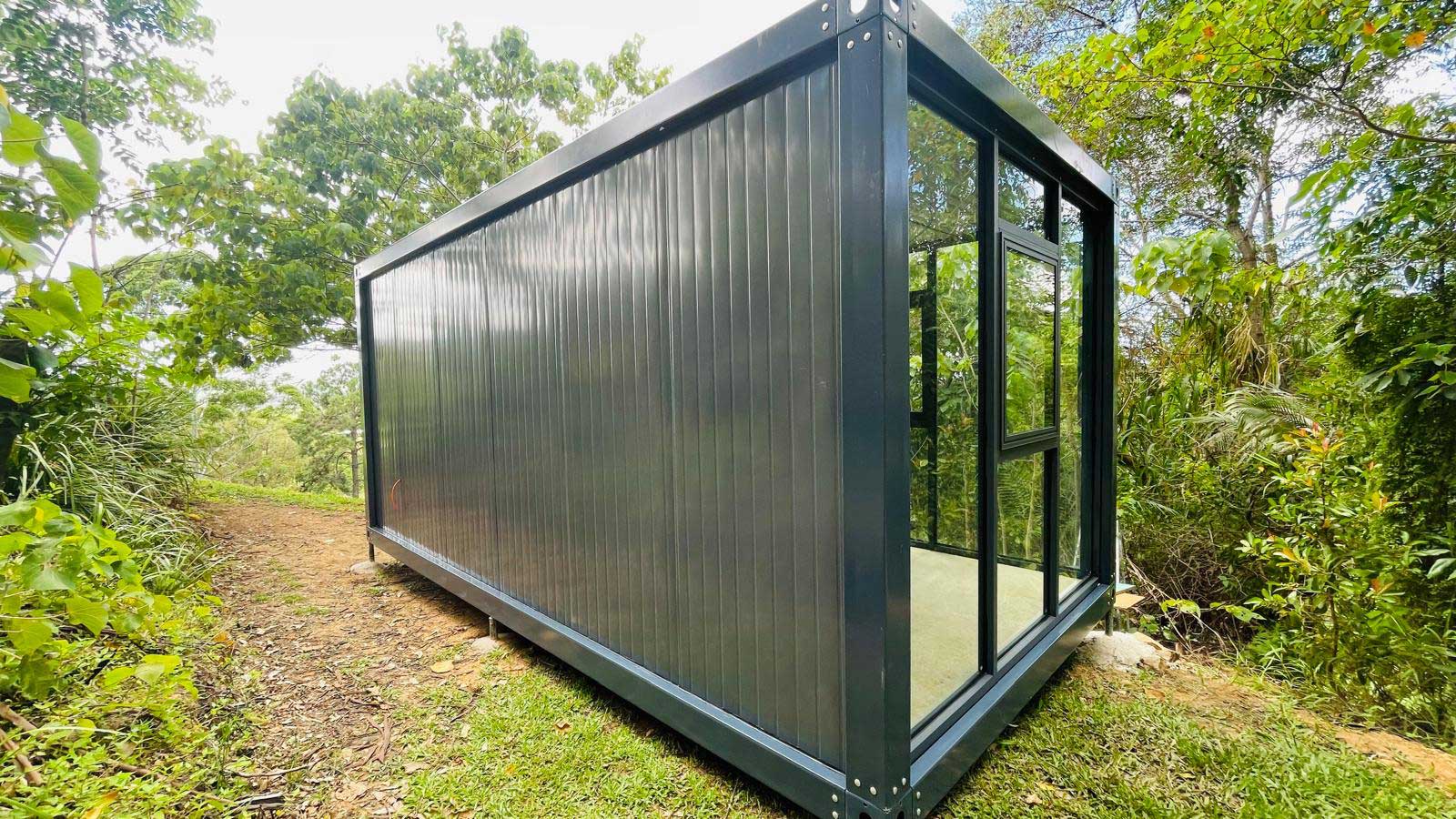
A dedicated 18sqm training space in your backyard. No memberships, no waiting, no commute. From $18,500, delivered to every state.
The Case for Your Own Space
Why Build a Home Gym Pod?
Public gym memberships in Australia average $60 to $100 per month. Over five years that is $3,600 to $6,000, with nothing to show at the end. A home gym pod is a one-time investment that stays on your property, adds to its value, and is available at 5am or 11pm without a drive.
The more important reason for most buyers is consistency. The friction of travelling to a gym is the leading reason people miss sessions. With a pod at the end of the garden, the decision to train reduces to walking outside.
18sqm is a serious amount of training space. It holds a full power rack, a cable machine, a barbell station, and a cardio piece with comfortable clearance. You are not compromising on equipment because of the space.
The steel-framed floor structure handles Olympic barbells, full plate storage, and cable stacks without reinforcement. There is no requirement to modify the pod for standard gym equipment loads.
Layout Planning
Equipment Layouts for an 18sqm Gym
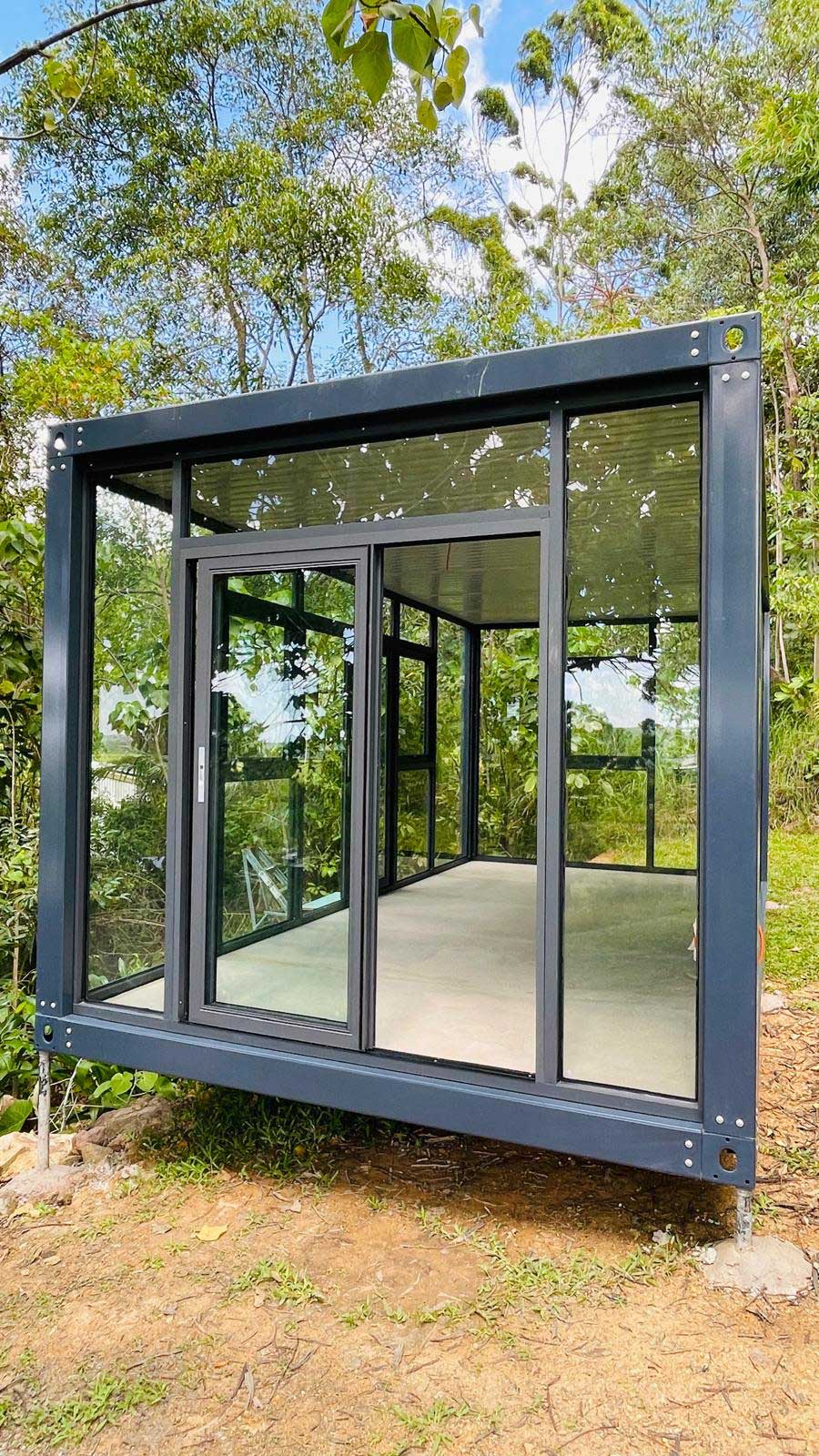
18sqm is 6 metres by 3 metres of usable floor. Here are three layout approaches depending on your training style.
Strength focus
Power rack central at one end with Olympic barbell and plates. Cable machine on the side wall. Dumbbell rack along the back wall. Leaves 6sqm clear for stretching or bodyweight work.
Cardio and conditioning
Treadmill and assault bike at one end. Kettlebell and medicine ball storage centrally. Pull-up rig on the wall. Rubber flooring throughout. Clear centre for circuit and HIIT work.
Functional training
Wall-mounted rig with pull-up bar and landmine attachment. Turf strip down the centre for sled pushes and farmer carry. TRX and bands hung on the wall. Plyo boxes stored against the wall when not in use.
Fit-Out Essentials
Flooring, Mirrors, Ventilation, Rubber Matting
Flooring
The standard pod floor is suitable as a base. For weight training, 20mm interlocking rubber tiles over the entire floor area protect the structure, reduce impact noise, and give stable footing under load. For functional training with turf, a strip of artificial grass over the rubber is common. For yoga or stretching zones, cork underlayment over the rubber adds cushioning.
Mirrors and ventilation
A full-height mirror wall on the solid end panel is straightforward to install. Use commercial-grade safety-backed gym mirrors rather than domestic mirrors. For ventilation, a 2.5kW reverse-cycle split-system and an openable window or wall louvre provide adequate air exchange for most training intensities. For very high-output interval training, add a second louvre or a wall-mounted fan.
Impact Noise
Soundproofing for Drop Workouts
Dropping weights generates two types of noise: airborne sound from the impact, and structure-borne vibration that transmits through the floor. The SIP walls handle the airborne component reasonably well. The floor vibration requires a different approach.
For serious Olympic lifting or CrossFit-style drops, a floating floor section is the most effective solution. This is a platform of 50mm horse stall mats over a plywood base, itself sitting on isolation pads rather than directly on the pod floor. The isolation pads break the transmission path from the platform to the pod structure.
- 20mm rubber tiles reduce standard weight drop noise
- Floating platform with isolation pads for Olympic drops
- SIP walls attenuate airborne impact sound significantly
- Physical distance from the house reduces what neighbours hear
- Acoustic wall panels can be added for further reduction
Electrical Requirements
Power for Equipment: Treadmills, Cable Stacks
Gym equipment has specific power requirements that differ from a standard office or studio setup. Plan your electrical connection with your electrician before the pod is installed.
Climate Control
Heating & Cooling Your Gym Pod
Training generates significant body heat. Even in winter, a gym pod used for high-intensity workouts will need cooling rather than heating within ten minutes of a session starting. The HVAC requirements for a gym pod differ from an office or studio.
For QLD and coastal NSW, a 2.5kW reverse-cycle split-system with the unit positioned to circulate air across the full 18sqm is typically sufficient. For higher-intensity training or warmer climates, a 3.5kW unit is a better choice. Position the indoor head unit on the wall above the entry door so the airflow moves across the training zone.
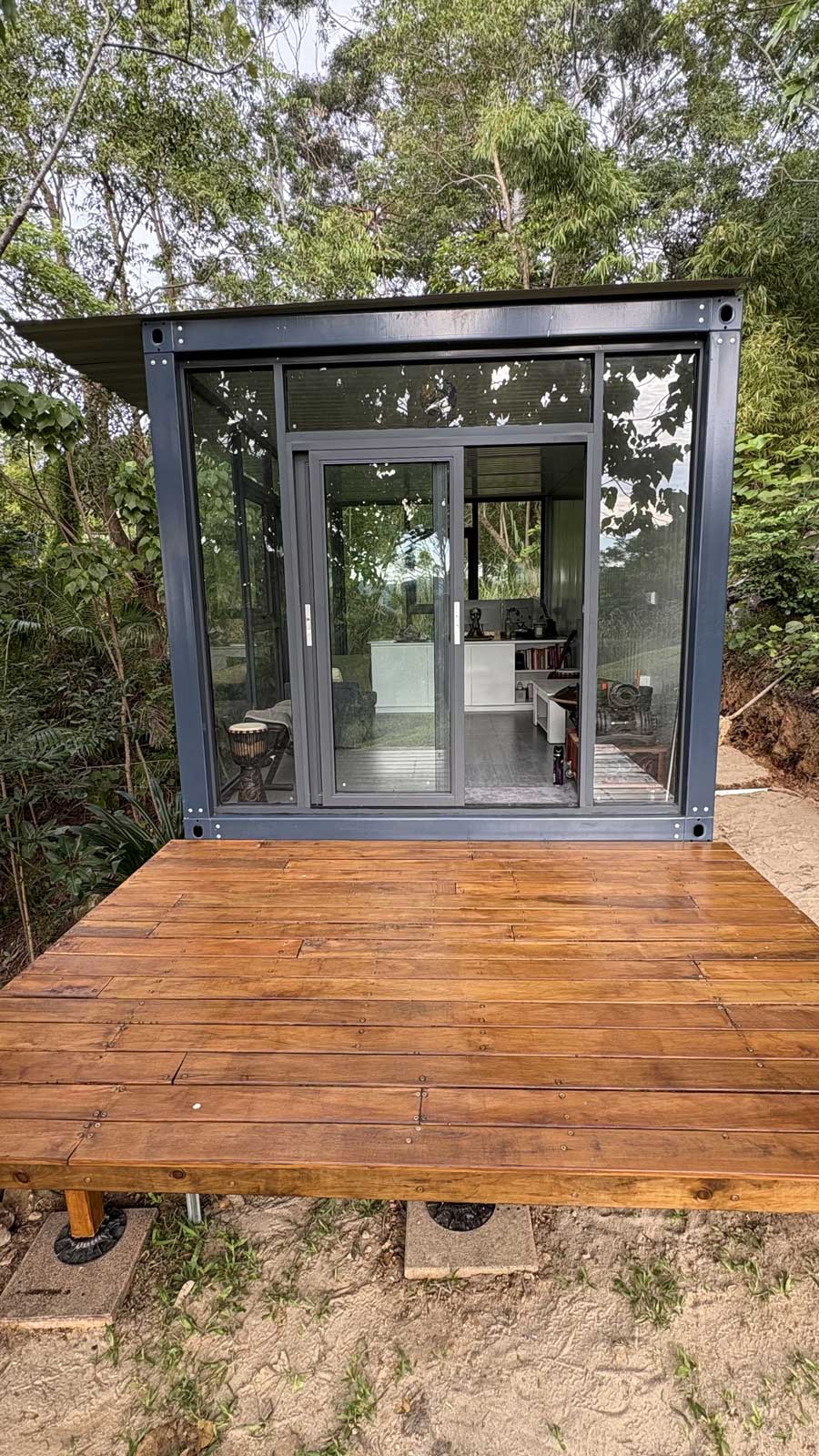
The glass walls increase solar heat gain compared to fully opaque walls. In hot climates, a shade sail or pergola structure over the glass face reduces the cooling load during afternoon sessions. The SIP insulation in the solid panels and roof handles the conductive heat gain component well.
Investment
Gym Pod Pricing
Single gym pod
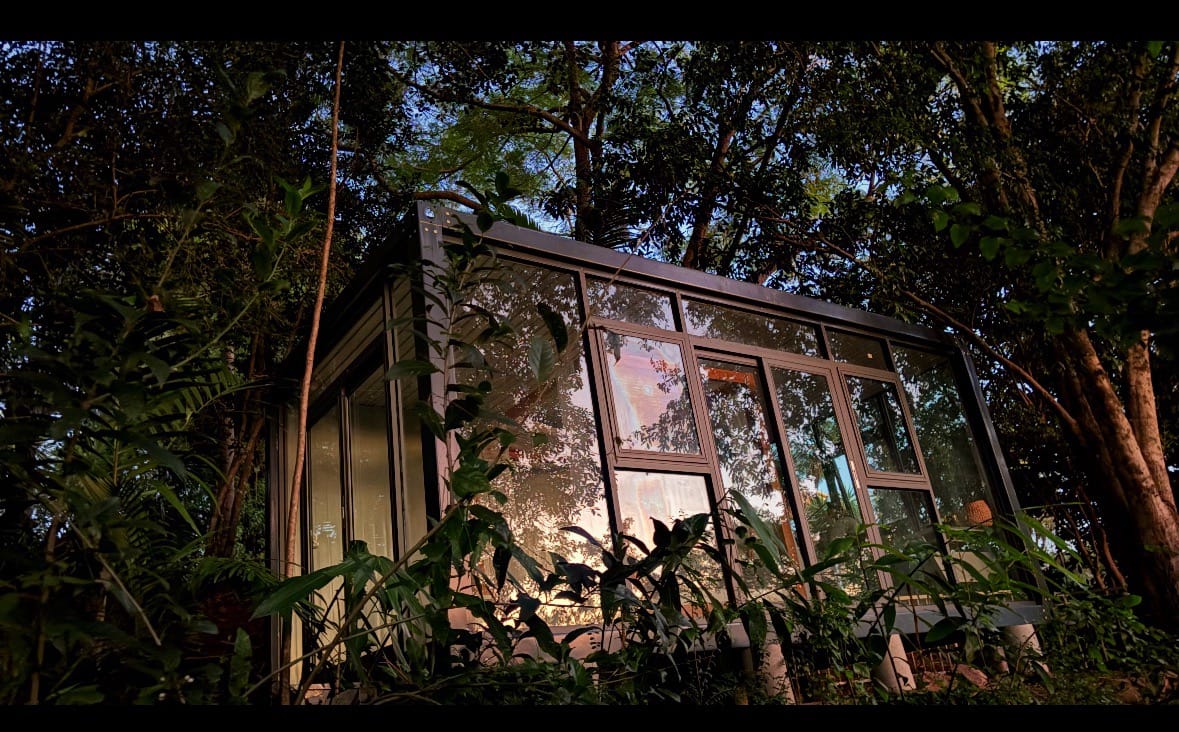
- 6 × 3m steel-framed SIP structure
- Double-glazed glass panel walls
- Flat-pack delivery to site
- 6-day professional installation
- Pre-routed electrical conduit
- Structural engineering certificate
Delivery by state
| State | Delivery cost |
|---|---|
| QLD | $400 – $1,200 |
| NSW | $1,500 – $2,200 |
| VIC | $2,200 – $3,000 |
| ACT | $1,800 – $2,500 |
| SA | $2,800 – $3,500 |
| WA | $4,500 – $6,000 |
| TAS | $3,500 – $4,500 |
| NT | $5,500 – $7,500 |
Fit-out items including rubber flooring, mirrors, and equipment are not included in the base price. Allow $3,000 to $8,000 for a complete gym fit-out depending on equipment choices.
Real Builds
Real Home Gym Pod Builds
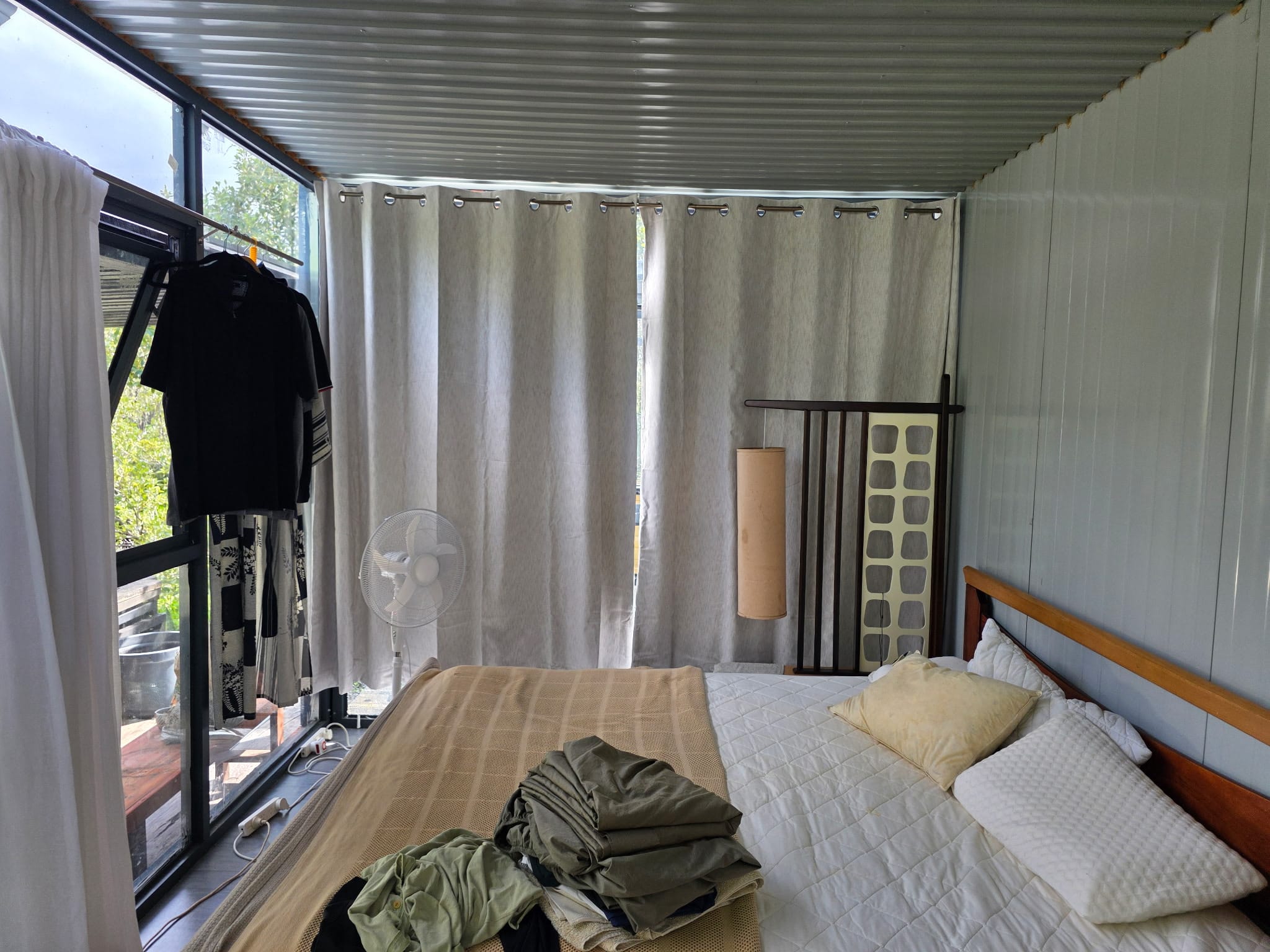
Every gym pod is fitted out differently. Here are a selection of completed builds showing different equipment configurations.
FAQ
Home Gym Pod FAQ
Get Started
Get a Gym Pod Quote
Tell us your backyard dimensions, your state, and your planned equipment. We will confirm site suitability and send a full quote. Display at Valdora, Sunshine Coast QLD.
Request a Quote Call 0490 537 205