Home Office Pods Australia
Work From Your Backyard
Stop working from the kitchen table or the spare room. A dedicated backyard home office pod gives you separation, silence, and an 18sqm workspace from $18,500.
The Case for a Separate Space
Why a Home Office Pod Beats a Spare Room
Working from the spare bedroom sounds practical until you realise it shares a wall with the baby's room, the shelving is full of old boxes, and every video call reveals a stack of laundry behind you. The psychology of a dedicated workspace matters far more than most people expect.
A home office pod creates hard boundaries. When you walk out your back door and into your pod, your brain switches into work mode. When you leave at 5pm, you actually leave. That separation is difficult to achieve inside the house, regardless of how you decorate it.
- No noise from family, pets, or household traffic
- No background clutter visible on video calls
- Separate network connection if needed for security
- Can be locked, keeping work and home genuinely apart
- No lost deductions from mixed personal and work use
Specifications
What You Get: 18sqm Dedicated Workspace
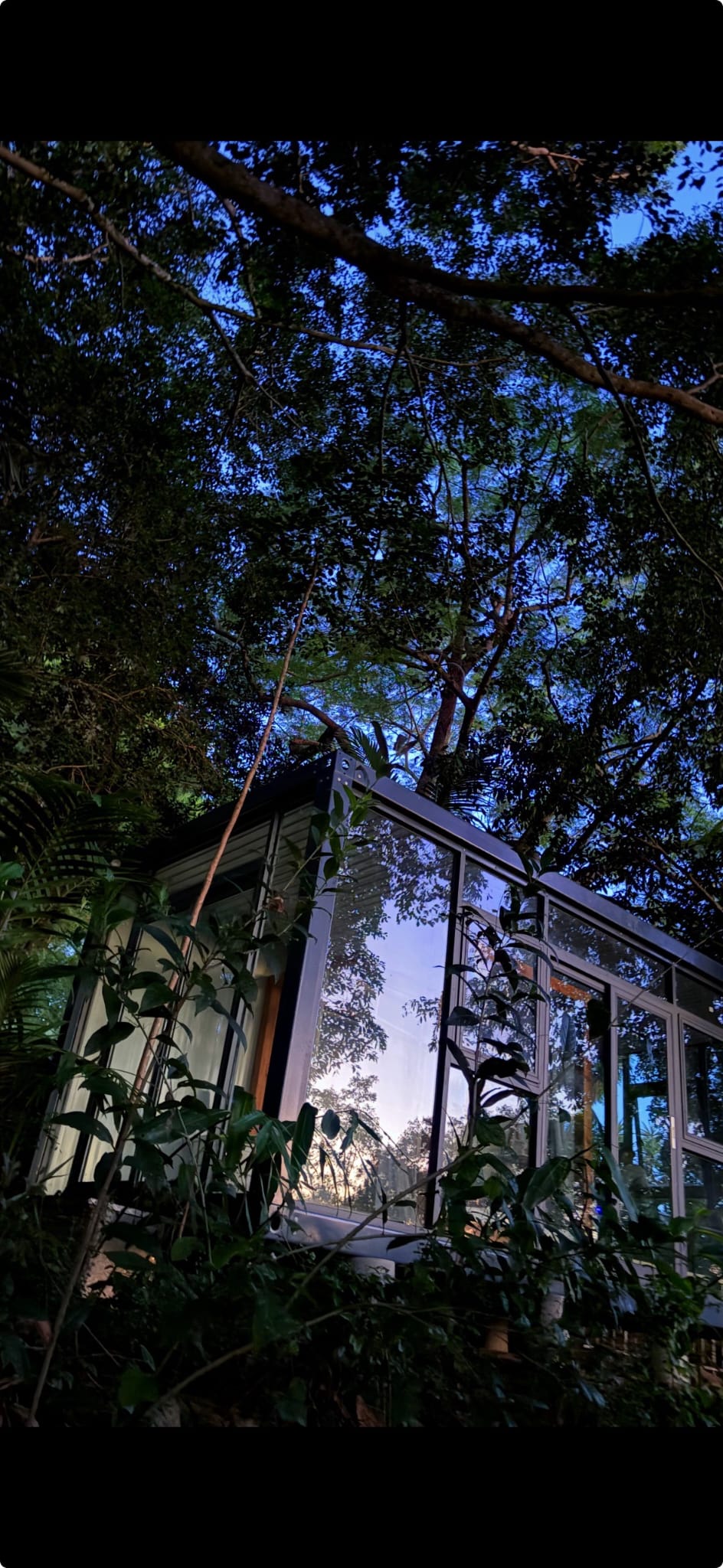
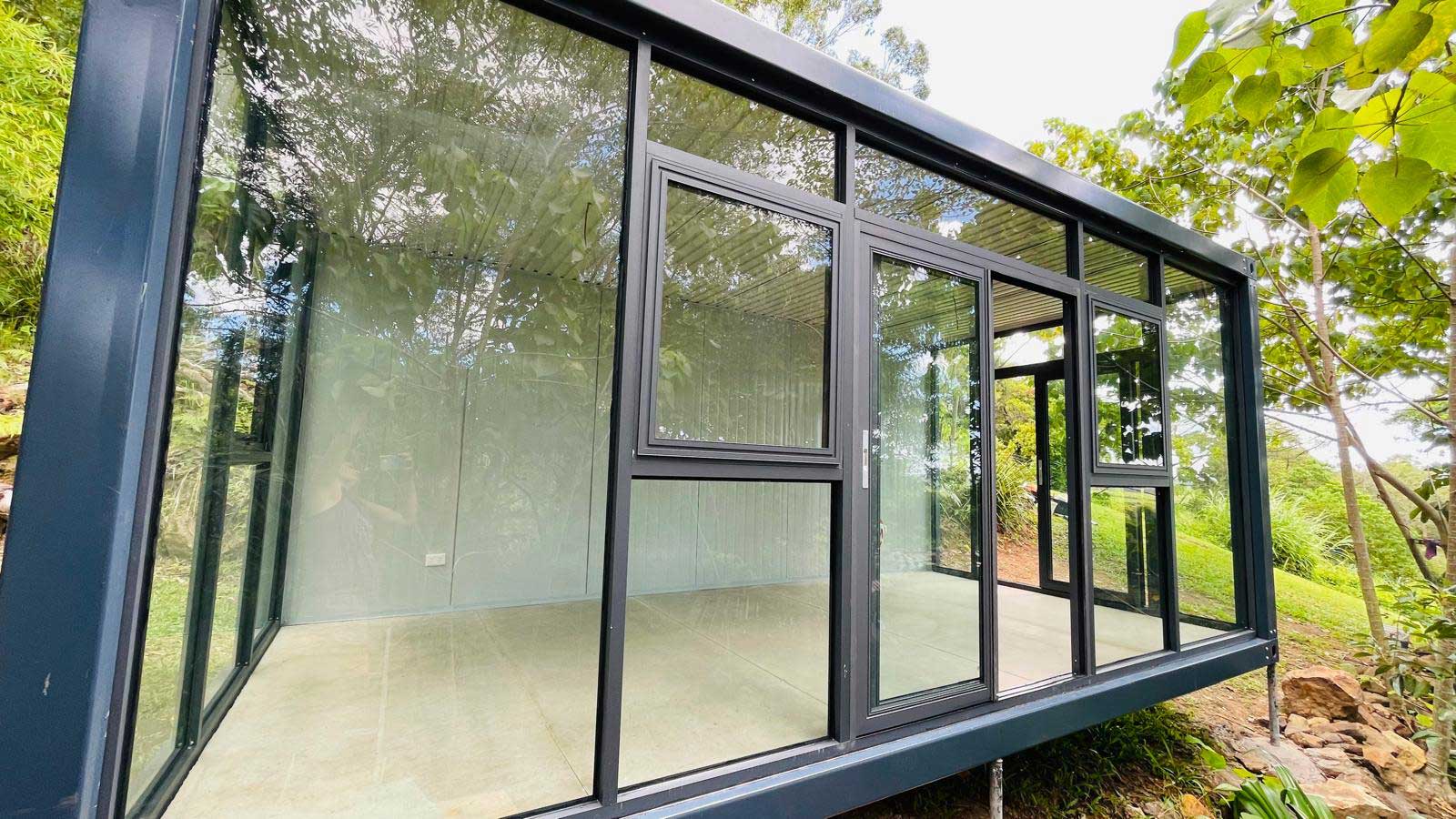
Our 6 × 3m glass pod arrives flat-packed and is fully assembled on-site in six days. It is not a kit shed. It is an architect-designed, insulated, glass-walled building ready to wire up as a professional workspace.
Full glass walls
Floor-to-ceiling glazing on two sides delivers natural light without overheating. Double-glazed panels reduce heat transfer significantly.
Insulated structure
SIP panel construction keeps the pod warm in winter and cool in summer without heavy air conditioning loads.
Wired for power
Pre-routed conduit for electrical and data cabling. Your electrician connects at the pod, not through the walls.
18sqm footprint
Comfortably fits a large desk, two monitors, a bookcase, a small meeting table and two chairs. Room to move, not just sit.
Certified structure
Engineered to Australian wind and load standards. Not a shed permit, a building you can properly insure and finance.
Flat-pack delivery
Panels arrive on a single truck. No crane required for most sites. Forklifts can offload into a standard residential driveway.
ATO Guidance
Tax Deduction: Why Pods Make Sense for Home-Based Workers
If you are a self-employed professional, sole trader, or run a business from home, the ATO allows depreciation deductions on a dedicated workspace structure. A pod used exclusively for work is not a personal improvement to your home in the same way a kitchen renovation is.
Deductibility depends on exclusive business use, the structure type, and your individual tax position. Consult a registered tax agent before claiming. The ATO has published guidance on home-based business expenses including dedicated structures. Our full tax deductions guide covers the key principles.
- Depreciation over the effective life of the asset
- Running costs including electricity may also be deductible
- Sole traders and company directors both have pathways
- Pod keeps work space 100% exclusive, strengthening the claim
Getting Connected
Setting Up Your Home Office Pod: Power, Internet, Furniture
A pod is a blank-canvas workspace. Here is how most buyers get theirs operational within a week of installation completing.
Electrical connection
A licensed electrician runs a sub-board cable from your main switchboard to the pod. Most installs cost $800 to $1,800 depending on distance. Budget for 3-4 double GPOs, data cabling, and an air con circuit.
Getting online
Options: underground data conduit from your house (cleanest), weatherproof external cable run, or a Wi-Fi extender if your router signal reaches. For video-heavy work, a wired ethernet cable gives the most reliable connection.
Heating and cooling
A 2.5kW split-system air conditioner handles an 18sqm pod in most Australian climates. Add an electrical panel heater for colder winters in VIC, ACT, or TAS. The insulation does the heavy lifting.
Furniture and storage
18sqm comfortably takes a 1.8m sit-stand desk, two monitor arms, a filing cabinet, a bookshelf, and a compact two-person meeting table. Most buyers are operational within a week of the fit-out starting.
Acoustic Performance
Quiet Enough for Video Calls
One of the first questions buyers ask is whether the pod is actually quiet. The short answer: yes, significantly quieter than working inside your house, because the pod introduces air gaps, insulated panels, and physical distance from household noise sources.
SIP panel walls
Structural Insulated Panels are denser and better at blocking sound transmission than standard timber stud framing. The continuous insulation core reduces flanking noise.
Double-glazed glass
Two panes of glass with an air gap reduce external noise coming through the glazing. Not a recording studio, but suitable for professional calls without audible background interference.
Physical separation
10 to 15 metres of air between you and the house reduces sound levels by roughly 20 to 30 dB. Your kids running inside simply cannot be heard on the other end of a call.
Optional acoustic lining
For clients who need broadcast-quality quiet, acoustic wall panels can be fitted inside the pod. Ask about this at quote stage if you are a podcaster, voice-over artist, or online educator.
Year-Round Comfort
Heating, Cooling & Natural Light
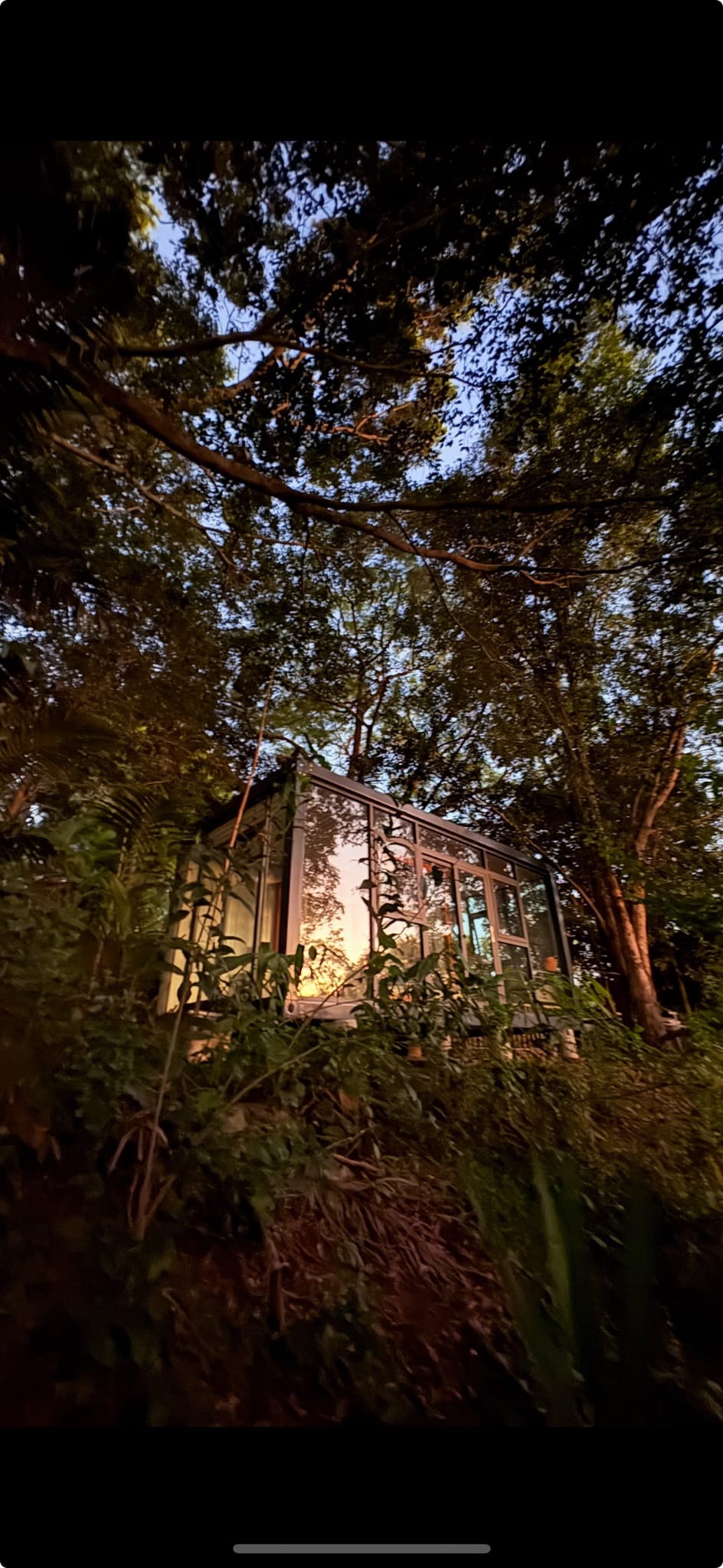
The glass-first design delivers generous natural light throughout the working day, reducing the need for artificial lighting. The double-glazed panels are specified to minimise solar heat gain while maintaining brightness.
In winter, the insulated SIP structure retains heat effectively. A 2.5kW reverse-cycle air conditioner is enough to warm an 18sqm pod from cold within 15 minutes. In the Sunshine Coast climate, heating demand is minimal, but the same unit cools the pod in summer without working hard.
- Natural light all day without glare on screens
- SIP insulation rated for Queensland and southern climates
- 2.5kW reverse-cycle handles 18sqm in most states
- Optional ceiling fan for passive ventilation
- Double glazing reduces condensation in cold climates
Planning & Permits
Council Approval for Backyard Home Offices
In most Australian councils, a single pod under 10m or 20sqm falls under exempt or complying development. This means no DA required, just a building certificate or a self-certification check against the council's exempt development code.
Our pods are 18sqm, which sits under the 20sqm exempt development threshold in most, but not all, Australian council areas. The rules differ between states, and between councils within the same state. The key variables are total site coverage, setbacks from the boundary, and whether the structure is attached to the house.
As a general guide: QLD, NSW, and VIC have clear exempt development codes that cover most residential backyard pods. SA, WA, and TAS have slightly different frameworks. ACT requires a development application for most ancillary structures over a certain size.
We provide a state-by-state council approval guide to help you confirm your requirements before purchase.
- QLD: Exempt if under 10m, standard setbacks met
- NSW: Complying development if under 20sqm on residential land
- VIC: Most councils permit under 10sqm without permit
- SA: Private certification available for ancillary structures
- WA: Local council check required, most allow under 60sqm combined
- ACT: DA typically required, check your zone
Customer Stories
Real Home Office Pod Installs
Home office pods suit a wide range of professionals. Here are three buyers and why they made the switch from working indoors.
Needed a client-presentable space for occasional in-person meetings. The pod now doubles as a small studio. The natural light from the glazing makes colour grading far more accurate than working under artificial light inside the house.
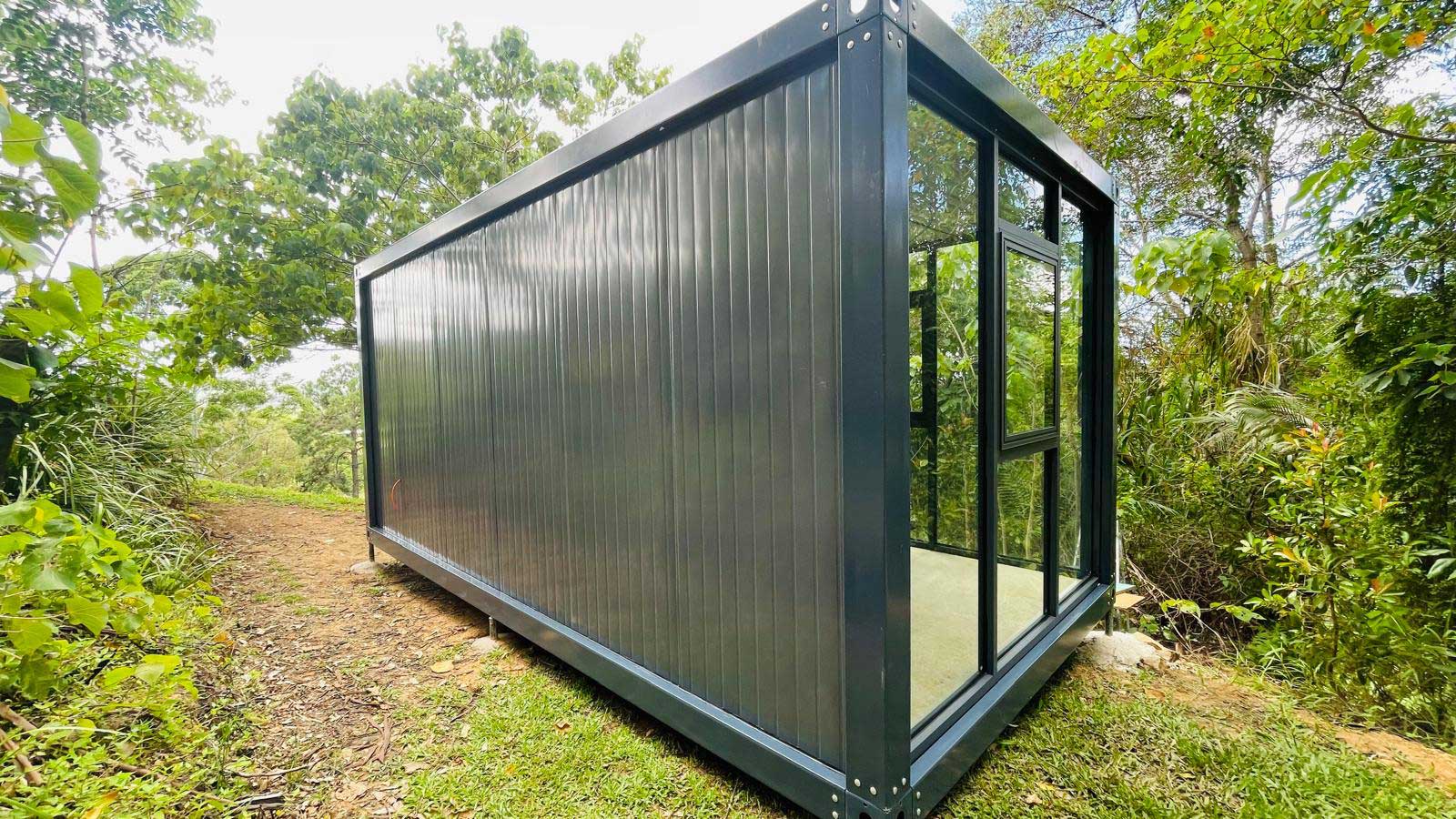
Client confidentiality required a physically separate workspace. The pod is lockable, on a separate circuit with its own network, and well away from where the kids play. Compliance requirements are now straightforward to document.
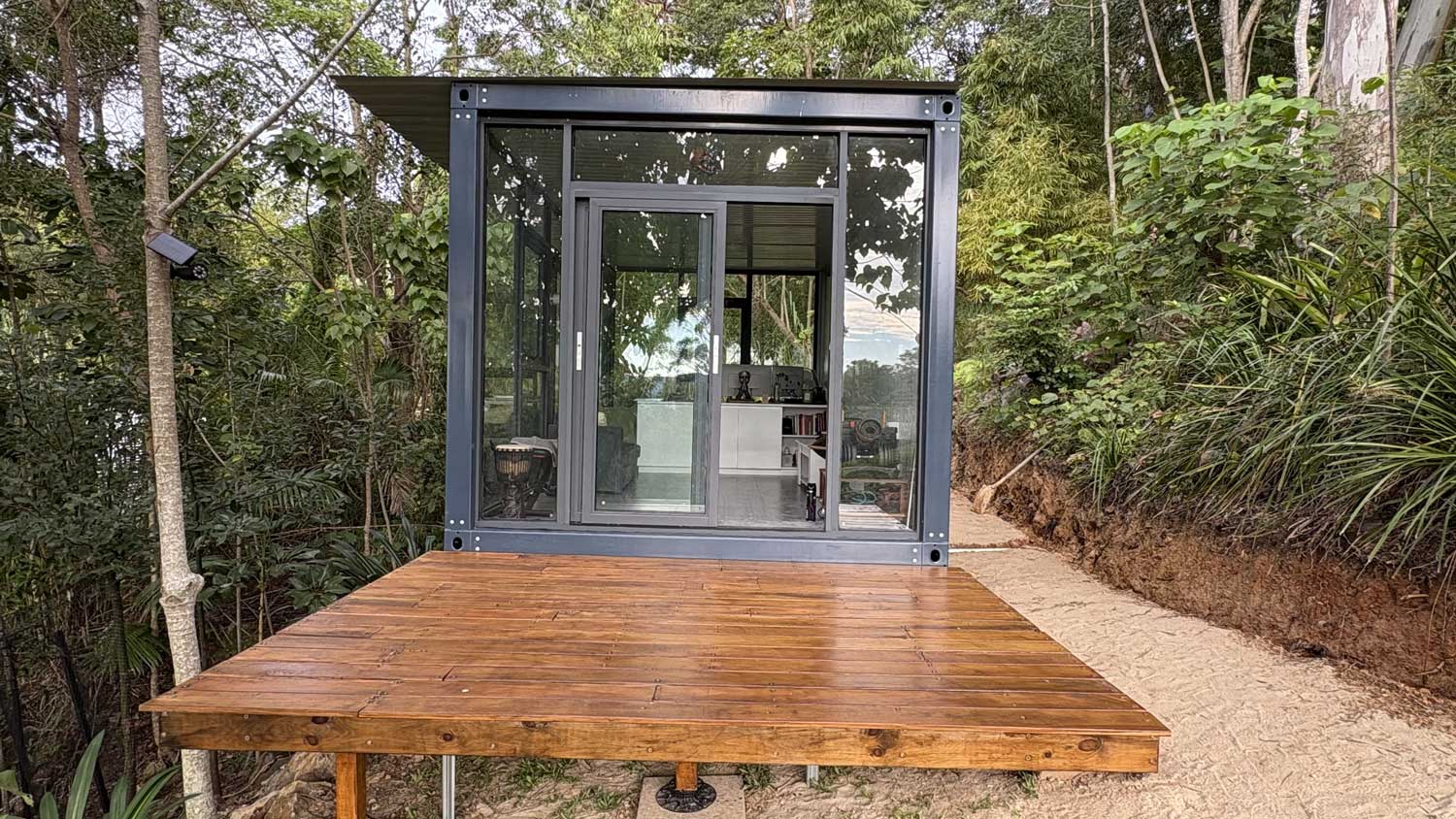
Records video courses and runs live workshops from the pod. The acoustic separation from the house means no pickup of background noise. Adding a small timber deck outside the front door made the whole setup feel like a proper studio.
Investment
Home Office Pod Pricing
Our pricing is transparent. The base pod price includes the full structure, glazing, and flat-pack delivery. Installation, electrical connection, and fit-out are quoted separately.
- 6 × 3m insulated SIP structure
- Floor-to-ceiling double-glazed glass panels
- Flat-pack delivery to your site
- 6-day professional installation
- Pre-routed electrical conduit
- Structural engineering certificate
Delivery costs by state
| State | Delivery |
|---|---|
| QLD | $400 – $1,200 |
| NSW | $1,500 – $2,200 |
| VIC | $2,200 – $3,000 |
| ACT | $1,800 – $2,500 |
| SA | $2,800 – $3,500 |
| WA | $4,500 – $6,000 |
| TAS | $3,500 – $4,500 |
| NT | $5,500 – $7,500 |
Linked (two pods connected) from $37,000. Stacked configuration from $39,000. Electrical, split system, and fit-out are additional.
FAQ
Frequently Asked Questions
Ready to Start?
Get a Home Office Pod Quote
Tell us your backyard dimensions and your state, and we will confirm suitability, delivery cost, and lead time. Calls answered during business hours. Display centre at Valdora, Sunshine Coast QLD.
Request a Quote Call 0490 537 205