

Steam Cleaning in Melbourne
Heat does work that chemistry would otherwise have to. On tile grout, sealed floors and carpet that suits it, steam means fewer products in the building. On unsealed stone and raw timber it means damage.
Steam cleaning gets talked about as though it were a single service. In practice it is a tool that suits some surfaces extremely well, suits others adequately, and ruins a specific list of materials. Knowing which is which is most of the job.
The appeal is straightforward. Heat breaks down greasy soil without the detergent that would otherwise be needed, which means less product going into a building and less residue left behind. For households with asthma, small children, chemical sensitivities or simply a preference for fewer products, that matters.
Where it genuinely outperforms is grout. Grout is porous and the soil sits inside it, below the surface, where mopping cannot reach and where scrubbing just moves it along the line. Heat and pressure bring it up and extraction takes it away, which is why a steam-cleaned bathroom floor looks different rather than merely cleaner.
Where it must not go is anything that absorbs. We check the surface first, every time, because the cost of getting that wrong falls on you and is not reversible.
Commonly steam cleaned
- Bathroom and laundry tile and grout
- Kitchen floor tile and splashback grout
- Sealed porcelain and ceramic throughout
- Vinyl and sealed vinyl plank
- Entry and hallway tile
- Carpet, as hot water extraction
Which surfaces can and cannot be steam cleaned?
The list that matters, with the reason beside each one.
| Surface | Suitable? | Why |
|---|---|---|
| Ceramic and porcelain tile | Yes | Non-porous body, tolerates heat and moisture well |
| Tile grout | Yes, and it is where steam excels | Porous, so soil sits below the surface |
| Sealed natural stone | Yes, with controlled heat | The sealer protects the stone beneath |
| Unsealed natural stone | No | Absorbs moisture, can spot, etch or darken permanently |
| Vinyl and vinyl plank | Yes | Waterproof surface, though not at maximum heat |
| Laminate flooring | No | Water enters the joins and the board core swells |
| Raw or oiled timber | No | Swells, raises the grain and strips the oil finish |
| Polyurethane sealed timber | With caution only | Sound seals cope; worn ones let moisture through |
| Carpet | Yes, as hot water extraction | The standard method for domestic carpet |
| Waxed or polished surfaces | No | Heat softens and removes the wax layer |
If you do not know what the floor is, that is normal and it is our job to establish it before starting. A small test in an inconspicuous corner settles it in minutes.
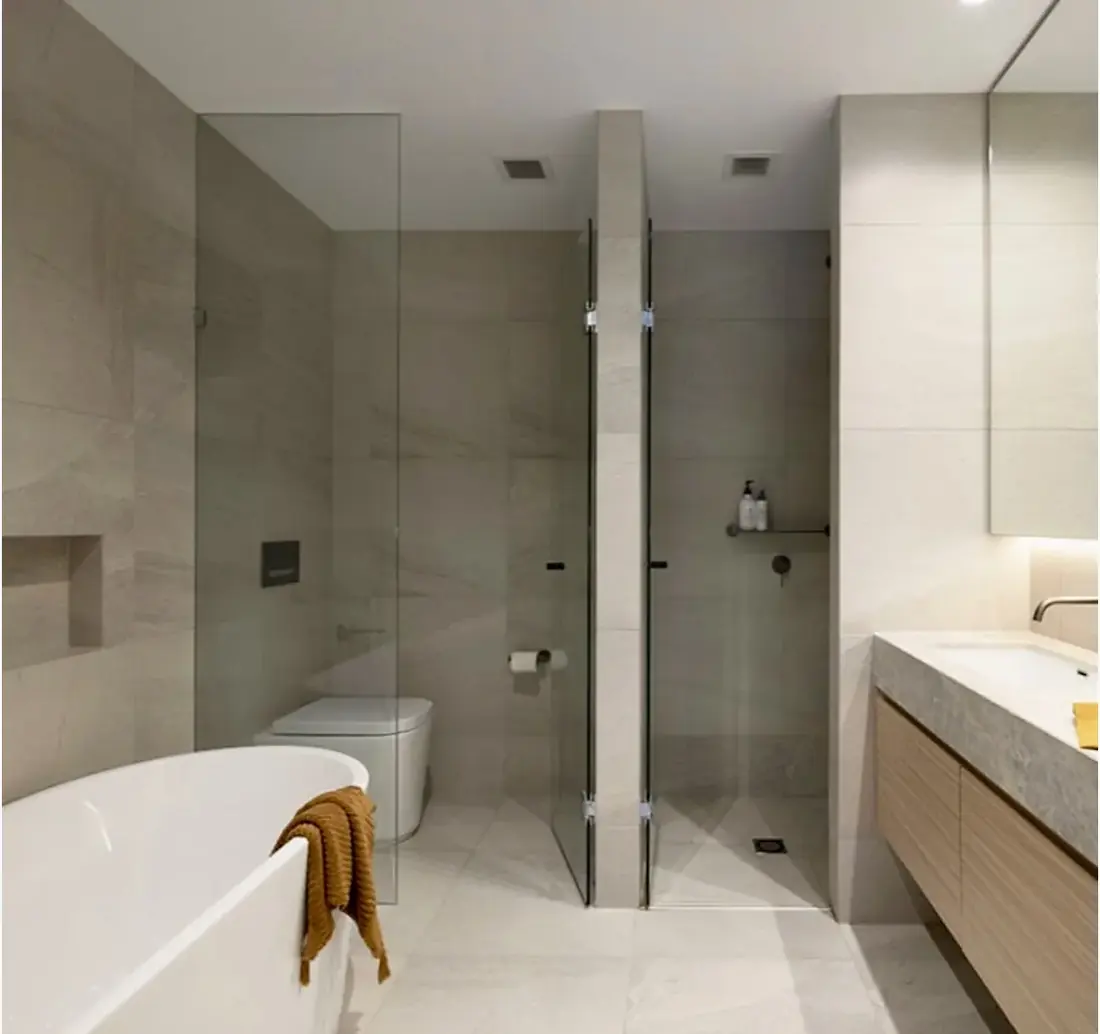
Why does grout respond so well to steam?
Mopping a tiled floor does something that nobody really thinks about: it picks up dirty water from the tile faces and deposits a portion of it into the grout lines, which are lower and porous. Every mop stroke makes the tiles cleaner and the grout slightly dirtier. Over years that is why a floor can look clean and read as dirty, because the eye follows the dark lines rather than the pale squares.
Steam reverses it. The heat softens what is held in the pores, the pressure lifts it clear, and extraction takes the dirty moisture away rather than redistributing it. The grout comes back several shades lighter and the whole floor reads differently.
There is a limit. Grout that is stained through rather than soiled, usually from years of a coloured product or from a spill that penetrated, will not come back with any amount of cleaning. The remedy there is grout colour sealing, which is a tiling job and is worth doing properly.
And grout that is cracked, crumbling or missing needs regrouting before it needs cleaning. Pushing hot water into a failed grout line pushes it into the substrate behind, which is the opposite of helpful. We will point that out before quoting.
Where is steam cleaning most useful?
Bathrooms and laundries
These are the rooms where steam earns its reputation. Floor grout, wall grout in the shower, the base of the screen, the junction where tile meets bath and the area behind the toilet all hold soil that a mop never reaches and that scrubbing only partly removes.
It also handles soap residue on tile faces well, which is the film that makes a bathroom look dull even when it is clean.
Kitchens
Kitchen floor soil is greasy rather than merely dusty, because cooking vapour settles on everything within a few metres of a cooktop. Grease responds to heat far better than to detergent alone, which makes steam a good fit for a tiled kitchen floor and for splashback grout.
Combined with an oven clean it makes a noticeable difference to how a kitchen smells, not only how it looks.
Allergy and chemical-sensitive households
Where somebody in the house reacts to cleaning products, steam allows most hard-surface cleaning to happen with little or no chemistry. That is a genuine benefit rather than a marketing point, and it is one of the more common reasons people ask for it specifically.
It pairs naturally with low-residue products elsewhere in the house, which we use as standard on request.
Rentals and vacate cleans
A tiled floor that has had five years of mopping and no deep cleaning will have grout several shades darker than it started. Steam brings most of that back, which can make a visible difference at inspection.
It is normally booked as part of end of lease cleaning rather than on its own.
Carpet, where it is the right method
What the carpet industry calls hot water extraction is what most people call steam cleaning, and it is the standard method for domestic carpet. The same caution about surfaces applies: wool and viscose need controlled heat and moisture rather than maximum of either.
The detail sits on carpet steam cleaning.
What happens during a steam cleaning visit?
Four stages, and the surface check comes before everything.
Identify and test
Establish what the floor is and confirm it tolerates heat and moisture, in a corner nobody sees.
Remove dry soil
Vacuum or sweep first. Steam turns loose grit into a slurry that then has to be extracted.
Work in sections
Overlapping passes with extraction immediately behind the heat, so soil leaves rather than resettling.
Dry and compare
Hard floors are usable within the hour. We leave a small untreated patch so you can see the difference.
That last habit is deliberate. Grout in particular changes so gradually across a floor that people stop noticing how dark it had become, and a side-by-side strip is the only honest way to show what the work achieved.
What steam cleaning will not do
Four claims worth being sceptical about.
It is not sterilisation
Surface heat deals with a great deal, but a domestic steam clean is not a validated disinfection process and nobody honest will tell you otherwise.
It will not fix stained grout
Grout discoloured through its body needs colour sealing or replacement. Cleaning it repeatedly achieves nothing except wearing it down.
It does not suit every floor
Unsealed stone, laminate and raw timber are all damaged by it. The check takes two minutes and prevents an irreversible mistake.
It is not a whole clean
Steam handles hard surfaces. Dusting, benches, bathrooms above floor level and everything else still needs a normal clean around it.
Most steam work is booked as part of a broader visit rather than alone, usually with a deep clean or an exit clean. Pricing for both sits on cleaning prices Melbourne.
Frequently asked questions about steam cleaning
Three questions worth asking before booking steam work.
Does steam cleaning sanitise a surface?
Steam at the surface reaches temperatures high enough to deal with a great deal of what lives on a bathroom floor, and it does it without adding chemicals. It is not the same as a validated disinfection process and we will not claim it is. For most homes it is more than sufficient, and it is particularly useful where somebody reacts to cleaning products.
Will steam damage my floor?
It can, on the wrong surface. Unsealed natural stone absorbs moisture, raw or oiled timber swells and the finish lifts, and laminate planks can delaminate at the joins where water gets in. Sealed tile, porcelain, vinyl and properly sealed stone are all fine. We check what the floor actually is before we start rather than assuming.
Is steam better than normal cleaning for grout?
For grout, yes, noticeably. Grout is porous and holds soil below the surface where a mop cannot reach. Heat and pressure lift it out, and extraction removes it rather than pushing it along the line. Where grout is stained through rather than dirty, it needs colour sealing instead, and we will tell you which yours is.
Where to go next
Check whether steam suits your surfaces
Send a photo of the floor and tell us what it is if you know. We will say whether steam is the right tool, whether something else would do better, and what it costs either way.